
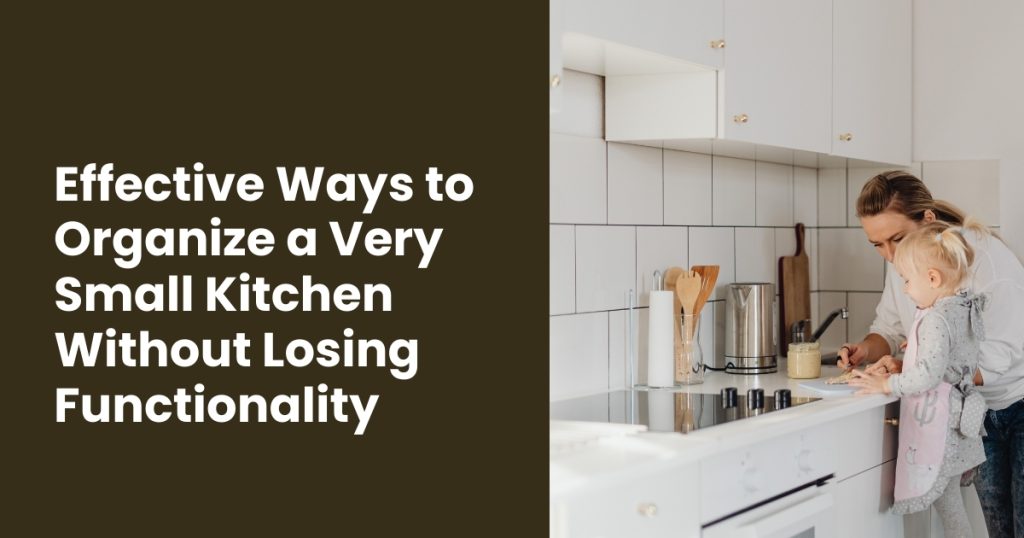
Having a mini kitchen doesn’t mean you have to compromise on style or efficiency. In fact, with smart planning and the right storage solutions, even the smallest kitchens can feel spacious, organized, and enjoyable to cook in. The key is making thoughtful decisions about your small kitchen layout, choosing the right cabinet sizes, and implementing clever cabinet ideas for small kitchens.
In this guide, we’ll walk you through practical tips to maximize every inch of your kitchen. Whether you’re looking to upgrade your wall cabinets, improve your countertop space, or make sense of a tricky layout, these strategies will help you create a mini kitchen that’s both functional and beautiful.
Optimize Your Small Kitchen Layout
The layout is the backbone of any kitchen, and it becomes even more critical in a mini kitchen. A well-thought-out small kitchen layout ensures you have enough counter space, storage, and room to move without feeling cramped.
- Galley kitchens: Perfect for narrow spaces, galley layouts have counters on both sides, making everything accessible without taking up much floor space. You can add clever cabinet ideas for small kitchens like pull-out spice racks or vertical storage units to maximize every inch.
- L-shaped kitchens: This layout works well in corner spaces, providing more counter space and storage while keeping the kitchen open and airy. Consider adding tall cabinets in one corner to store items you rarely use.
- Single-wall kitchens: Ideal for extremely small or studio spaces, this layout places everything along one wall. Use upper cabinets in small kitchens to maximize vertical storage, and consider open shelving to keep the area feeling open.
The goal is simple: reduce unnecessary movement and make every part of the kitchen functional. Even a mini kitchen can feel organized and comfortable with the right small kitchen layout.
Understand Standard Cabinet Sizes
Knowing standard kitchen cabinet sizes is essential when planning a small kitchen. Using cabinets that are too big can make the space feel claustrophobic, while the wrong heights can reduce usability.
- Base cabinets: Typically 24 inches deep and 34.5 inches tall, these are the foundation for your counter space. In a mini kitchen, stick to these standard depths to avoid encroaching on walking areas.
- Wall cabinets: Usually 12 inches deep and 30 inches tall, they provide vertical storage. In small kitchens, stacking cabinets or using open shelving can increase accessibility and make the space feel larger.
- Countertops: The standard size of a kitchen counters is about 25–26 inches deep. Keeping counters at this depth ensures you have enough workspace while allowing movement and workflow in a tight kitchen.
Choosing the right cabinet sizes prevents wasted space and makes every inch functional. Don’t forget: in a mini kitchen, every inch counts, so proper measurement and planning are critical.
Smart Cabinets for Small Kitchens
Cabinets in small kitchens aren’t just for storage, they can transform your kitchen into a more organized and efficient space. Here are some cabinet ideas for small kitchens that really make a difference:
- Pull-out shelves: Great for deep cabinets, pull-outs make accessing items in the back effortless. This is particularly useful in mini kitchens where space is limited.
- Corner cabinets with lazy Susans: Make awkward corners usable by installing rotating shelves to reach every item easily.
- Tall, slim cabinets: Take advantage of vertical space for storing dry goods, trays, or appliances that are not used daily.
- Open shelving: Keeps frequently used items within reach and prevents the kitchen from feeling cramped.
Even if your kitchen is compact, smart cabinet design ensures your storage is maximized without overwhelming the space. Properly selected cabinet sizes combined with these ideas create a highly functional kitchen.
Make Every Space Multi-Functional
In a mini kitchen, you need to get creative with space. Surfaces can serve multiple purposes if you organize carefully:
- Countertop storage racks: Perfect for spices, utensils, or even small appliances. These keep frequently used items accessible without cluttering the counters.
- Hanging racks: Pots, pans, and mugs can be stored overhead, freeing up lower cabinet space.
- Cabinet door organizers: Great for storing cutting boards, lids, or smaller kitchen tools, keeping them out of sight but easy to grab.
Using every space effectively transforms your small kitchen layout into a kitchen that feels bigger and is far easier to work in.
Maximize Counter Space
Counter space is one of the biggest challenges in a mini kitchen. With careful planning, your counters can stay clear and usable:
- Foldable or pull-out counters: Provide extra workspace only when needed, perfect for small kitchens with limited counters.
- Top of cabinets: Use this often-overlooked area to store items you rarely use but still want accessible.
- Keep appliances in check: Remember the standard size of a kitchen counters when placing items to avoid overcrowding.
Maximizing counter functionality ensures you can cook, prep, and clean comfortably, even in a small space.
Clever Storage and Organization Tricks
Sometimes, it’s the little details that make the biggest impact on a small kitchen’s functionality. Even in a mini kitchen, these smart touches can transform cluttered cabinets into well-organized, efficient storage spaces:
- Drawer organizers: Perfect for keeping utensils, cutlery, and kitchen gadgets neatly separated. No more digging through messy drawers, everything has its place, making cooking faster and easier.
- Tiered shelving inside cabinets: Utilize vertical space to store more items without crowding your shelves. Stacked shelves allow you to organize plates, bowls, or pantry items efficiently while keeping them visible and accessible.
- Magnetic strips for knives: Free up valuable drawer space and keep knives right at your fingertips. This not only improves safety but also makes meal prep smoother and more convenient.
- Hooks inside cabinet doors: Ideal for hanging measuring cups, small kitchen tools, pot lids, or even dish towels. These hidden storage solutions maximize space and keep your counters and drawers clutter-free.
By incorporating these small but powerful organization strategies, your mini kitchen will feel more spacious, functional, and enjoyable to cook in every day. These little details truly make a huge difference in both efficiency and aesthetics.
Keep Design Light and Simple
A well-designed mini kitchen feels open and inviting, even when space is limited:
- Light-colored cabinets and counters: Reflect light and create the illusion of space.
- Minimalist handles and hardware: Avoid bulky fixtures that take up visual space.
- Mix of open and closed storage: Keeps things organized while preventing the kitchen from feeling heavy or cluttered.
- Declutter counters: Only keep essentials out; everything else should have a home in a cabinet or shelf.
Simplicity in design paired with cabinet ideas for small kitchens ensures your kitchen feels bright, spacious, and functional.
Final Thoughts
Organizing a very small kitchen doesn’t have to be stressful. With thoughtful small kitchen layout planning, proper cabinet sizes, and smart cabinet ideas for small kitchens, even the tiniest kitchens can be beautiful and efficient.
From wall cabinets to countertops, every inch matters. The right design and storage solutions turn a cramped mini kitchen into a space that’s practical, organized, and visually appealing. With careful planning, your small kitchen can feel much larger and easier to work in every day.
Ready to transform your small kitchen? Trust Bella Casa Cabinets for durable, custom solutions tailored to your space. Call Now or Book Now to get your dream kitchen organized today!
FAQs
What is the best layout for a very small kitchen?
Galley, L-shaped, and single-wall layouts work best for mini kitchens, allowing efficient use of space while keeping items accessible.
How can I maximize storage in a small kitchen?
Use pull-out shelves, lazy Susans, tiered shelving, and cabinet door hooks to make the most of your cabinets in small kitchens.
What are the standard cabinet sizes for small kitchens?
Base cabinets are typically 24 inches deep and 34.5 inches tall, wall cabinets 12 inches deep and 30 inches tall, with counters around 25–26 inches deep