
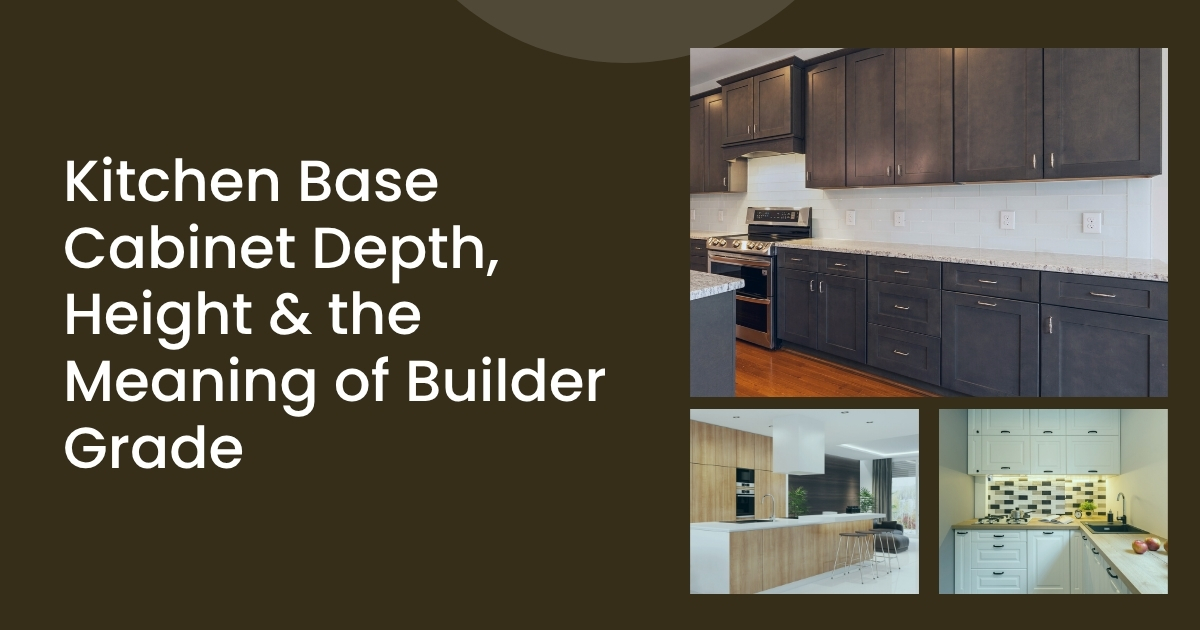
Kitchen Base Cabinet Depth, Height & the Meaning of Builder Grade Across the USA, every kitchen tells a story—from family breakfasts on busy mornings to late-night baking sessions filled with laughter. Yet behind every beautiful kitchen lies careful planning. Many homeowners, whether crafting their forever home or refreshing a rental property, dream of creating a space that feels both stunning and effortless to use. As homeowners begin their remodels, questions often surface: How deep should my cabinets be? Will standard sizes fit my appliances? And what does “builder grade” really mean? Understanding these details—from standard cabinet depth to what defines builder-grade cabinets—helps transform a kitchen that only looks good into one that truly functions for your lifestyle. Ready to design a kitchen that balances beauty with practicality? Why Cabinet Dimensions Confuse So Many Homeowners Imagine finally starting your dream kitchen remodel—your new countertops, flooring, and lighting are selected. But as you start measuring your space, confusion sets in. Why are there so many base cabinet sizes? What’s the real difference between builder-grade cabinets and custom-built ones? And how deep should a kitchen base cabinet be to fit appliances perfectly? This confusion often leads to mismatched installations, wasted space, or costly corrections later on. Understanding the standard kitchen cabinet depth and height ensures your kitchen not only looks right but functions flawlessly. Understanding Standard Kitchen Cabinet Depth What Is the Standard Cabinet Depth? The standard cabinet depth for most base cabinets in U.S. kitchens is 24 inches (front to back). This size allows for comfortable storage access and provides enough counter space for meal preparation. However, depending on your design needs, base cabinets may range from 12 to 30 inches. Shallower cabinets work best in smaller kitchens or islands, while deeper ones suit larger layouts that require more storage. Why Depth Matters Choosing the right average cabinet depth affects both aesthetics and workflow. Too deep, and reaching the back becomes difficult. Too shallow, and you lose storage. The right depth balances accessibility with practicality. Common Cabinet Depth Variations Cabinet Type Standard Depth Purpose Base Cabinets 24 inches For counters, sinks, prep space Wall Cabinets 12 inches Mounted above countertops Tall Pantry Cabinets 24 inches Food storage / built-in ovens These dimensions ensure countertops extend about an inch beyond cabinet faces for a clean, finished look. Kitchen Base Cabinet Depth and Height Explained How Deep Are Standard Kitchen Cabinets? Most base cabinets are 24–25 inches deep including countertop overhang. This aligns your appliances cleanly with cabinetry. How Tall Are Base Cabinets? The standard height is 34.5 inches without countertop and 36 inches with countertop—ergonomic for most adults. Variations exist for accessibility (lowered height) or for taller users (raised height). The Truth About Builder Grade Cabinets What Does Builder Grade Mean? Builder-grade cabinets are mass-produced, affordable, and functional, but not made with premium materials or craftsmanship. They’re common in new homes and rentals. “Builder grade” doesn’t mean low quality—it means basic, standard, and cost-efficient. Common Features of Builder Grade Cabinets Material: Often particleboard or MDF instead of solid hardwood. Finish: Basic laminates or veneers. Design: Simple and standardized. Hardware: Standard hinges, basic drawer glides. When to Upgrade For long-term living or resale value, upgrade to semi-custom or custom cabinets. Materials like plywood or solid maple offer durability and moisture resistance. Choosing the Best Wood for Cabinet Making The best wood depends on cost, durability, and design preference. Popular options include: Maple: Strong, smooth, and versatile for stains or paint. Oak: Grain-rich and durable. Birch: Affordable yet visually appealing. Plywood: Stable and moisture-resistant. Waterproof wood: Ideal for humid kitchens to prevent swelling/warping. Common Base Cabinet Sizes and Configurations Standard sizes vary by purpose: Width: 9–48 inches (in 3-inch increments) Depth: 24 inches Height: 34.5″ without countertop, 36″ with countertop Specialty Cabinets Sink Base: 30–36 inches wide, no top drawer. Corner Cabinets: Designed for space efficiency. Drawer Base: Ideal for utensils, pots, pans. Why Choosing the Right Cabinet Depth Matters The right kitchen cabinet depth improves daily cooking flow, prevents overcrowding, and ensures appliances fit properly. Smoother workflow Comfortable movement Balanced look Why Choose Bella Casa For Your Kitchen Cabinets? At Bella Casa Cabinets, we blend function, durability, and design. Using high-quality materials like waterproof wood, we build cabinets that fit diverse lifestyles and budgets. We focus on precision, style, and long-lasting craftsmanship—helping homeowners create kitchens that feel beautiful and work beautifully. Conclusion Understanding cabinet depth, height, and builder-grade definitions empowers you to make smarter remodeling decisions. Whether upgrading materials or planning layouts, the right knowledge ensures a kitchen that’s both functional and stunning. Contact Bella Casa Cabinets today to explore designs that match your vision and budget. FAQs How deep are standard kitchen cabinets? Standard base cabinets are typically 24 inches deep, with countertops adding about 1 inch of overhang. This depth provides a comfortable working space and ensures alignment with most appliances for an efficient kitchen layout How tall are base cabinets? Base cabinets usually measure 34.5 inches tall without countertops and 36 inches with countertops. This standard height creates an ergonomic workspace, making meal prep and kitchen tasks comfortable for most homeowners. What does builder grade mean? Builder-grade cabinets are standard-quality, mass-produced units designed for affordability and practicality. They typically use cost-effective materials and simple designs, making them ideal for new construction or budget-friendly kitchen remodel
Author Archives: bellacasa@dev
Kitchen Floating Shelves That Make Your Space Feel Twice as Big
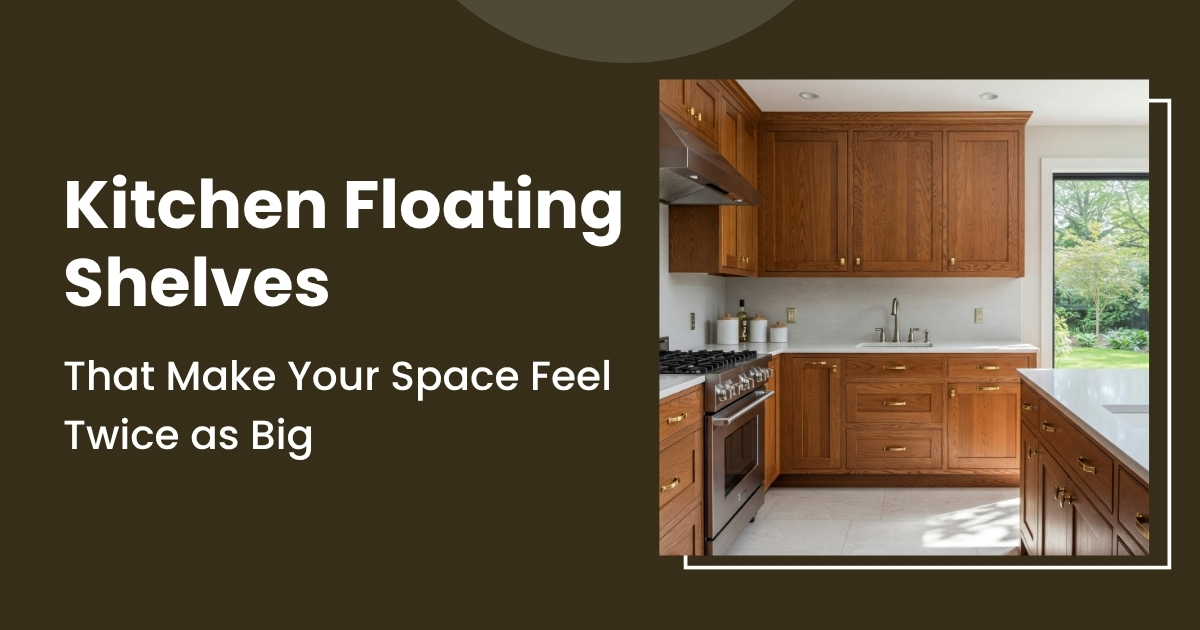
Kitchen Floating Shelves That Make Your Space Feel Twice as Big Floating shelves are one of the easiest ways to make your kitchen look open and stylish. They replace bulky cabinets with clean, airy lines — giving your space a more modern and spacious feel while still offering smart storage solutions. Explore Our Kitchen Designs Why Your Kitchen Feels Cramped Most kitchens have cabinets covering every inch of wall space. While this gives you tons of storage, it also makes your kitchen feel closed in and dark. Think about it like this: cabinets are like walls. They block light and stop your eyes from moving around the room. When you look at a wall of cabinets, your brain says, “This is where the space ends.” But kitchen floating shelf options work differently. They let light pass through. Your eyes can see past them to the wall behind. This simple trick makes your brain think the room is bigger than it really is. How Floating Shelves Make Rooms Look Bigger Open shelving works like magic for small spaces. Here’s why it works so well. They Let You See Through Them Regular cabinets are solid boxes. Your eyes hit them and stop. But floating shelves above sink areas or anywhere else in your kitchen let you see through to the other side. This creates depth, which makes spaces feel larger. When you can see through something instead of hitting a wall, your kitchen instantly feels less cramped. They Bounce Light Around Dark cabinets suck up light like a sponge. They create shadows and dark corners. Open shelving does the opposite. Painted floating shelves in white or light colors reflect light everywhere. That sunshine coming through your window doesn’t get trapped anymore. It bounces around, making your whole kitchen brighter and more cheerful. They Make Ceilings Look Taller Here’s a cool trick: the more your eyes move up and down, the taller your ceiling looks. Kitchen floating shelves create vertical lines that pull your eyes upward. This makes your ceiling seem higher than it actually is. Picking the Right Floating Shelves Not all shelves are the same. Choosing the wrong ones can actually make your kitchen look worse. Here’s what works best. Pick Light Colors Light wood or painted floating shelves in white, cream, or soft gray work best. These colors fade into the background and keep your kitchen feeling open. Dark shelves can look heavy and take up visual space. Think about quality too. Kitchen cabinets made in the USA usually last longer and look better. The same goes for shelves. Good shelves won’t sag or fall apart after a year. Ready to make your kitchen feel twice as big? Contact Bella Casa Cabinets & Design today, and let’s create the open, beautiful kitchen you deserve. FAQs How to decorate floating shelves in the kitchen? Use a mix of everyday items like dishes and glasses with decorative touches like small plants or cookbooks, filling only two-thirds of the shelf space. Group items in odd numbers (3 or 5 pieces) and layer them from tallest in the back to shortest in front for a professional look. What to put on floating shelves in the kitchen? Display items you actually use daily, like coffee mugs, dishes, glassware, and cooking oils, alongside a few decorative pieces like plants or attractive storage jars. Keep it functional first and pretty second so your shelves feel lived-in rather than staged. How deep should kitchen floating shelves be? Most kitchen floating shelves should be 10 to 12 inches deep to hold dishes and cookware without sticking out too far. You can go slightly shallower (8-10 inches) above sinks for lighter items like herbs and glassware