
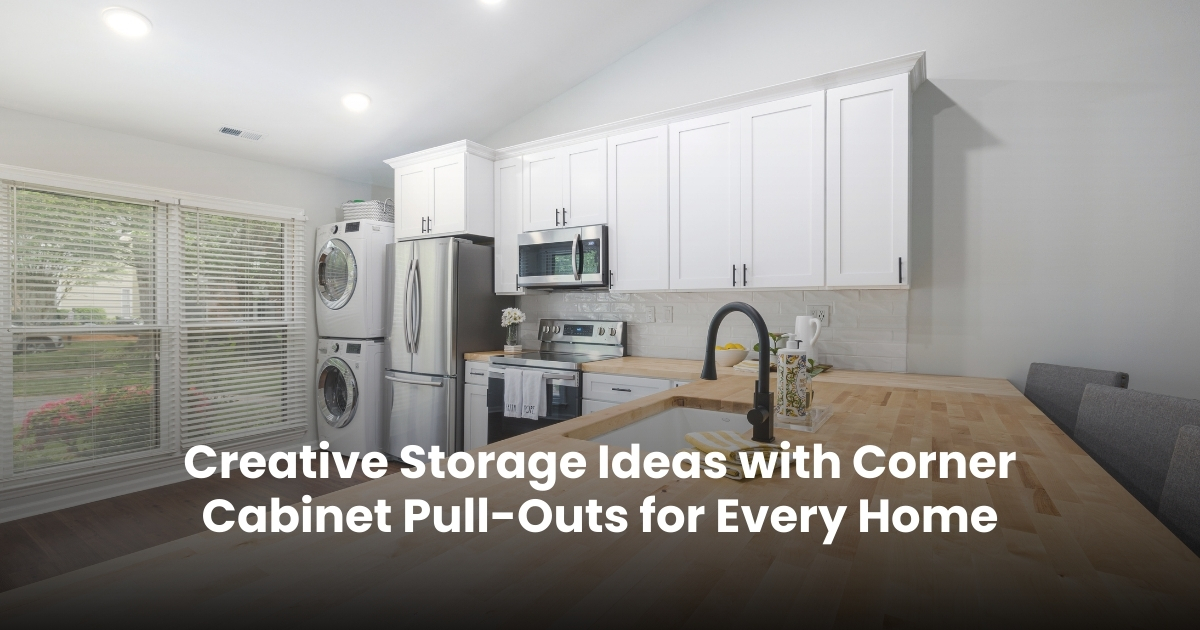
Creative Storage Ideas with Corner Cabinet Pull-Outs for Every Home Across the USA, homeowners dream of kitchens that combine elegance with effortless functionality. Whether you’re designing your forever home or upgrading a cozy space, making the most of every corner counts. Smart storage isn’t just a luxury; it’s a necessity for modern living. Transform your kitchen with solutions that blend design and practicality beautifully. Many homeowners face the same frustrating challenge: awkward corners that waste valuable space. Cabinets that are hard to reach or too shallow make organization difficult. But with the right corner cabinet pull-out system, those hidden areas can become some of the most efficient storage zones in your kitchen. Let’s explore how IKEA corner cabinet designs and other creative solutions can elevate your space from cluttered to captivating. The Hidden Potential of Corner Spaces Every kitchen, no matter how stylish, has at least one corner that feels underutilized. That’s where the corner cabinet pull-out comes in, a brilliant invention that brings hidden storage to life. These cabinets feature trays, baskets, or shelves that glide smoothly outward, giving easy access to pots, pans, and pantry items. IKEA corner cabinet systems have become particularly popular for their affordability and flexibility. Their modular design allows homeowners to customize layouts based on space and budget. But beyond functionality, these pull-outs also add a polished, built-in feel to the kitchen’s overall flow. Unlike traditional cabinets that leave dead zones behind, a well-designed L-shaped counter and blind corner cabinet pull-out ensure no inch is wasted. You’ll be surprised how much extra storage space you can gain while maintaining a sleek, seamless look. Why Corner Cabinet Pull-Outs Are a Game Changer A corner cabinet pull-out does more than just optimize space; it enhances convenience and improves kitchen efficiency. Imagine opening a smooth, retractable shelf that brings all your essentials right to your fingertips. No more crouching, reaching, or rummaging through dark corners. IKEA cabinet solutions take this one step further with adjustable shelving, soft-close glides, and durable materials built to handle daily use. Whether you’re cooking for a crowd or just storing small appliances, these systems turn once-wasted space into a functional, attractive feature. And when paired with elevated cabinets or contemporary finishes like a ribbed wood cabinet, the result is both practical and luxurious. Every detail contributes to a kitchen that looks refined and performs beautifully. Blending Style and Function with Modern Materials One of the most exciting parts of a remodel is choosing finishes that reflect your personality. Modern kitchens are all about texture, tone, and balance, and cabinets are the canvas where design comes to life. Using natural materials, such as oak or walnut, gives warmth and depth to your cabinetry. A ribbed wood cabinet design adds visual texture while keeping a timeless appeal. Pair it with a cabinet pull-out to balance aesthetics and utility effortlessly. IKEA corner cabinet options also make it easy to achieve a designer look on a budget. Their clean lines and customizable features complement everything from California kitchen cabinets to sleek, European-style layouts. Whether your style leans minimalist or traditional, there’s a perfect match waiting. Tailoring Storage to Fit Every Lifestyle No two kitchens or homeowners are alike. That’s why customization is key. For those who crave organization, custom closet solutions extend beyond bedrooms and walk-ins; they also inspire smarter kitchen layouts. Think built-in drawer dividers, sliding racks, and modular pull-outs designed around your specific needs. Incorporating cabinet pull-out systems into your layout allows for creative freedom while keeping the workflow efficient. IKEA cabinet modules can be configured to accommodate baking supplies, cookware, or even hidden recycling bins. Meanwhile, high-end closets and elevated cabinets share a similar philosophy, maximizing vertical and hidden space while maintaining a clean, cohesive look. These design principles ensure your entire home, not just your kitchen, stays clutter-free and visually balanced. Designing for Practical Elegance Kitchens that inspire are those that blend beauty with everyday usability. When planning your next remodel, think beyond appearance; consider how storage supports your daily habits. Cabinets on the corners with pull-outs help you store larger cookware, keeping counters free and your kitchen feeling open. An IKEA corner cabinet makes it possible to customize your space without compromising design consistency. And when you integrate kitchen design wood cabinets with natural finishes, you create a space that feels warm, inviting, and built to last. Whether you’re in a downtown apartment or a suburban home, combining California kitchen cabinets with modern storage elements ensures your kitchen works as beautifully as it looks. Every shelf, hinge, and handle becomes part of a thoughtfully designed whole. Bringing It All Together in a Remodel If you’re planning a full kitchen refresh, cabinets on the corners with pull-outs should be at the top of your must-have list. It’s one of those subtle upgrades that make a major difference in how your kitchen functions. Paired with IKEA corner cabinet systems, these features allow for smooth transitions between work zones, easy accessibility, and timeless appeal. When working with professionals who specialize in cabinets for kitchen remodel projects, you’ll discover options that combine innovative hardware with handcrafted detailing. Adding finishing touches like soft lighting or textured cabinet panels can turn an ordinary space into an elevated one. This harmony of function and form is what defines today’s most beautiful kitchens. Why Choose Bella Casa Your kitchen should be more than functional; it should reflect your lifestyle, personality, and standards of quality. Bella Casa Cabinets brings expert design and craftsmanship to every project. Installing corner cabinet pull-out solutions and fully customized storage systems. Using durable materials, precision hardware, and advanced design technology for lasting quality. Offering inspiration from IKEA corner cabinet systems to bespoke, high-end closets and fine wood finishes. Creating kitchens that blend innovation, style, and practical functionality. Delivering expert craftsmanship that elevates everyday living and adds timeless value. With Bella Casa Cabinets, every kitchen is thoughtfully designed to be beautiful, functional, and enduring. Your space will feel tailored, sophisticated, and built to last. Conclusion
Category Archives: Uncategorized
Jaw-Dropping Trending Kitchen Cabinets Designs You Need to See
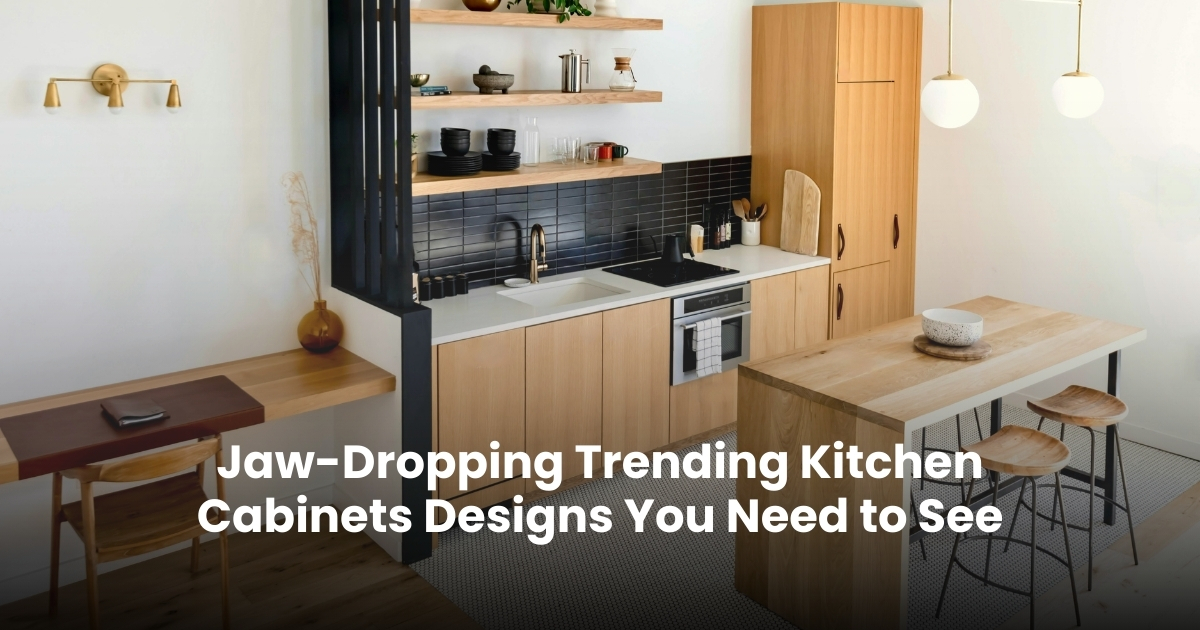
Jaw-Dropping Trending Kitchen Cabinets Designs You Need to See You love your kitchen. It’s not just a place to cook, it’s the heart of your home. It’s where your kids do homework, friends linger over coffee, and every meal becomes a memory. But even kitchens you adore can sometimes feel… uninspired. Maybe your cabinets feel outdated, the layout isn’t working, or your kitchen doesn’t express your personality the way you wish it could. This is where trending kitchen cabinets come in. The right cabinetry can completely transform your space, making it functional, stylish, and absolutely inviting. If you love being creative, unusual kitchen cabinet ideas can give your space a signature look that’s uniquely yours. In this guide, we’ll explore the most jaw-dropping, on-trend kitchen cabinet designs that will make you excited to step into your kitchen every single day. Fall in Love with Wenge If your kitchen feels a little flat or lacks personality, wenge kitchen cabinets can add instant depth and sophistication. Their rich, chocolatey tones create a warm, luxurious feel that works with both traditional and modern kitchens. Why wenge works so well: Its dark hue contrasts beautifully with lighter walls and countertops, making your kitchen feel elegant and polished. It pairs seamlessly with metallic handles, matte black accents, or even natural wood finishes, giving you flexibility in styling. Wenge cabinets add a cozy, grounded feeling, perfect for large family kitchens where warmth and comfort matter. Styling Tips: Balance dark lower cabinets with lighter upper cabinets or open shelving to prevent the space from feeling too heavy. Incorporate warm lighting and natural elements like wooden cutting boards, plants, or textured rugs to complement the richness of wenge. With wenge, your kitchen immediately gains a timeless, luxurious personality that doesn’t feel cold or formal; it feels like a kitchen you’ll never want to leave. Buckskin Cabinets Bringing Warmth and Approachability For a kitchen that feels welcoming the moment you walk in, buckskin cabinets are a perfect choice. Their soft, earthy tones create a cozy, inviting atmosphere while still keeping a modern edge. Why buckskin is trending now: It harmonizes with natural materials such as stone countertops, wooden shelves, and ceramic tiles. Buckskin’s warm undertones work beautifully with almost any color palette, giving you freedom to experiment with accessories, backsplashes, or wall paint. These cabinets feel approachable without sacrificing style, ideal if your kitchen is the hub of activity in your home. Pro Tips: Pair buckskin cabinets with frosted glass inserts or metallic hardware to add a contemporary flair. Maximize natural light to enhance the warmth and richness of the cabinets. Buckskin cabinets turn kitchens into spaces you genuinely enjoy spending time in. They’re understated yet stylish, making every morning coffee feel a little more special. Let Light In with Frosted Glass Cabinets One of the easiest ways to make a kitchen feel more open and airy is with cabinets with frosted glass panels. These cabinets combine the best of both worlds: a display for your favorite dishes while keeping clutter out of sight. Benefits of frosted glass cabinets: They let natural and artificial light pass through, creating an illusion of more space. Items inside are discreet but still partially visible, so your kitchen looks organized and curated. They add a touch of elegance without overwhelming the overall design. Styling Ideas: Install interior LED lighting to illuminate your glass panels, showcasing your dishes beautifully at night. Pair frosted glass with light-colored wood or painted cabinets to keep the kitchen bright and welcoming. Frosted glass cabinets give your kitchen a subtle sophistication and make it feel open, airy, and functional, all at once. Contemporary Cabinet Styles You’ll Adore If you want an effortlessly chic kitchen, modern kitchen cabinet styles are perfect. Sleek lines, minimalist designs, and practical functionality are at the core of this trend. What makes modern cabinets so appealing: Hidden or handleless drawers give your kitchen a clean, seamless look. Soft-close drawers and pull-outs make cooking and cleaning smoother and more enjoyable. Two-tone combinations or contrasting finishes can create depth and visual interest. Pro Tips for Modern Kitchens: Combine darker lower cabinets with lighter upper cabinets for a modern, balanced effect. Use matte finishes for understated elegance and easy maintenance. Keep countertops simple to let your cabinets shine as the focal point. Modern kitchen cabinets offer the perfect blend of style and functionality, making your kitchen a place you can truly love living in. Bold and Unusual Kitchen Cabinet Ideas for Unique Kitchens Your kitchen should reflect your personality, and nothing does that better than unusual kitchen cabinet ideas. Whether it’s a bold color, unexpected texture, or asymmetrical layout, these designs create a kitchen that’s one-of-a-kind. Ideas to try: Accent islands are painted in bold shades to draw the eye. Mixing materials such as wood and metal or combining matte and glossy finishes. Creative layouts, like asymmetrical cabinets or floating shelves, to break away from traditional designs. Pro Tip: Start with a single statement piece, like a feature island or a unique upper cabinet, to make a big impact without overwhelming the space. Open Shelving Meets Cabinets: The Perfect Hybrid Open shelving combined with cabinets is a trend that’s taking kitchens to the next level. It’s practical, attractive, and keeps your space feeling airy. Why homeowners love this trend: Display your favorite dishes, cookbooks, or décor items without exposing clutter. Keep daily essentials tucked away in cabinets for a clean, polished look. Create a visually interesting kitchen with depth and layers. Pro Tips: Stick to a consistent color and material palette for harmony. Mix open and closed storage in areas that get the most visibility, like near the stove or sink. This hybrid approach balances practicality with style, ensuring your kitchen is both beautiful and functional. Two-Tone Cabinets That Wow Two-tone cabinets are bold, fun, and highly trendy. They create visual depth and personality while keeping the overall space balanced. How to get the look: Darker shades like wenge or charcoal for lower cabinets, with lighter upper
12 Stunning Kitchen Colors That Pair Perfectly With Antique White Cabinets
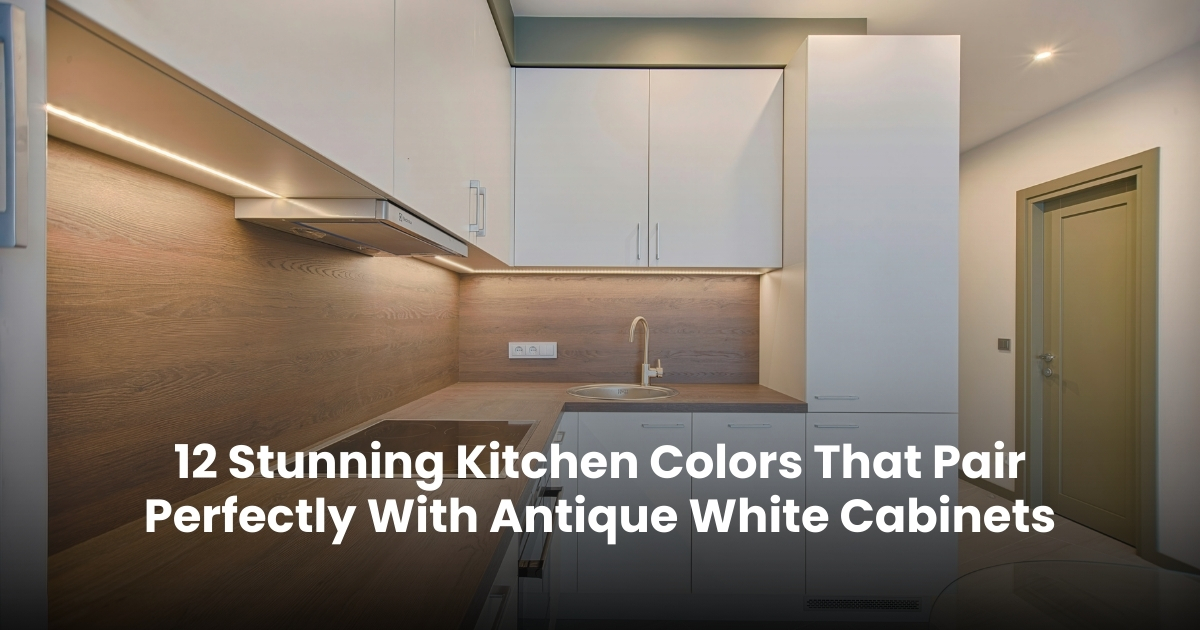
12 Stunning Kitchen Colors That Pair Perfectly With Antique White Cabinets If you’re searching for the right kitchen colors with antique white cabinets, chances are you’re feeling a bit nervous about picking the perfect shade. Antique white is stunning, timeless, and warm, but it can be tricky to pair. Too dark, and your kitchen feels heavy. Too light, and everything blends. Pick the wrong undertone, and suddenly your vintage white cabinets look yellowish or outdated. That’s why this guide exists. We’re breaking down 12 designer-approved, foolproof color options that bring out the best in white antique cabinets, without clashing with their charm. If your style leans modern, cozy, or timeless, these shades will help you create a kitchen you’ll love walking into every single day. 1. Soft Greige: Universally Flattering Greige (a warm gray-beige) blends effortlessly with antique white because both share soft warmth. It creates a calm, harmonized backdrop without making the kitchen feel flat or dull. This neutral hue is perfect if you want a timeless look that pairs beautifully with natural wood accents and brass hardware, giving your kitchen subtle elegance. 2. Warm Taupe: Cozy and Classic Warm taupe highlights the creamy undertones in white antique cabinets and brings a cozy, inviting feel to your kitchen. It works beautifully with bronze or gold hardware, making your space feel sophisticated yet approachable. Taupe is one of those colors that never feels dated and can adapt to any style, from modern farmhouse to a traditional setup. 3. Pale Sage Green: Fresh and Relaxing Sage green adds just the right hint of color without overwhelming your kitchen. Its soft, muted tones create a serene, nature-inspired feel that brightens the space naturally. Against antique white, sage green adds dimension, making your cabinets stand out while keeping the room feeling calm and airy. 4. Muted Navy Blue: Modern and Sophisticated Muted navy is bold but refined. It brings depth to a kitchen without overpowering it, making it an ideal choice for creating contrast with antique white. Pair muted navy with brushed nickel or black hardware, and your antique white kitchen will feel both contemporary and timeless. 5. Warm Charcoal: Dramatic but Inviting Charcoal tones give a high-contrast, stylish look when paired with antique white. They work especially well in kitchens featuring dark grey countertops with white cabinets, creating an elegant, modern vibe without feeling cold. Warm charcoal adds sophistication while keeping the space cozy and welcoming. 6. Light Mocha: Understated Richness Light mocha complements antique white perfectly. Its soft, warm undertones create a cozy, inviting space that feels rich without being overpowering. This color works particularly well with natural wood accents and farmhouse-style décor. 7. Soft Sky Blue: Airy and Uplifting Sky blue brings a subtle pop of color to brighten the kitchen naturally. It pairs beautifully with antique white, making the space feel open, fresh, and cheerful. Perfect for kitchens that want a lighter, airy, and welcoming vibe. 8. Muted Mustard or Honey Yellow: Warm and Cheerful Muted yellow tones add warmth and a hint of energy to your kitchen without feeling too bright or trendy. They highlight the charm of vintage white cabinets and pair beautifully with wooden shelves, warm lighting, or farmhouse-inspired décor. 9. Deep Olive Green: Bold Yet Earthy Olive green is a bold choice that remains grounded and organic. Against antique white, it provides a striking contrast while maintaining a warm, natural feel. This is ideal for homeowners who want a dramatic statement without sacrificing timelessness. 10. Classic Beige: Simple and Elegant Beige creates a soft, elegant backdrop for antique white cabinetry. It allows the creamy undertones of your cabinets to shine while keeping the overall look bright and welcoming. This choice is ideal for homeowners who want a universally appealing, safe option that never goes out of style. 11. Light Slate Blue: Calm with Character Slate blue is a subtle mix of blue and gray, perfect for bringing gentle character to a kitchen. It pairs beautifully with white antique cabinets, stainless steel appliances, and silver-toned hardware, creating a calm, polished environment. 12. Dusty Rose or Blush Beige: Soft and Unexpected Dusty rose or blush beige introduces warmth and sophistication. These soft hues bring out the creamy tones in antique white cabinets while creating a cozy, inviting kitchen that’s still unique. Ideal for homeowners who love subtle color and elegance without bold contrasts. How to Pick the Perfect Color for Your Kitchen Choosing a color goes beyond just picking a shade you like online. Keep these points in mind: Lighting Matters: Warm lighting enhances creaminess, while cool lighting can flatten colors. Consider Countertops and Flooring: The surrounding surfaces can dramatically change how a paint color appears. Test Samples on Different Walls: Colors look different depending on where the light hits. Think About the Mood: Warm tones feel cozy, soft neutrals feel airy, and bold shades create drama. The best colors highlight your cabinets, complement your style, and make your kitchen feel balanced. Why Homeowners Love Bella Casa Cabinets When pairing colors, it’s important that your cabinets themselves shine. Bella Casa Cabinets are designed with style, function, and durability in mind. Their antique white kitchen cabinetry solutions not only look stunning but also maximize storage and usability. From thoughtfully designed pull-outs to premium finishes that enhance your chosen wall color, Bella Casa Cabinets understands that cabinets aren’t just furniture; they’re the heart of your kitchen. Choosing BellaCasa ensures that no matter what color you paint your walls, your kitchen will feel cohesive, functional, and effortlessly elegant. Conclusion Picking the right kitchen colors with antique white cabinets doesn’t have to be stressful. With the right palette, your cabinets can shine, your space can feel welcoming, and your kitchen can truly reflect your personal style. And if you want cabinets that make your color choices come alive, Bella Casa Cabinets can help. Their designs are built to enhance your kitchen’s functionality and aesthetics, giving you storage solutions that work beautifully with any color palette. Ready to bring your dream
Stop Wasting Space! How to Make the Most of Your Blind Corner Cabinets
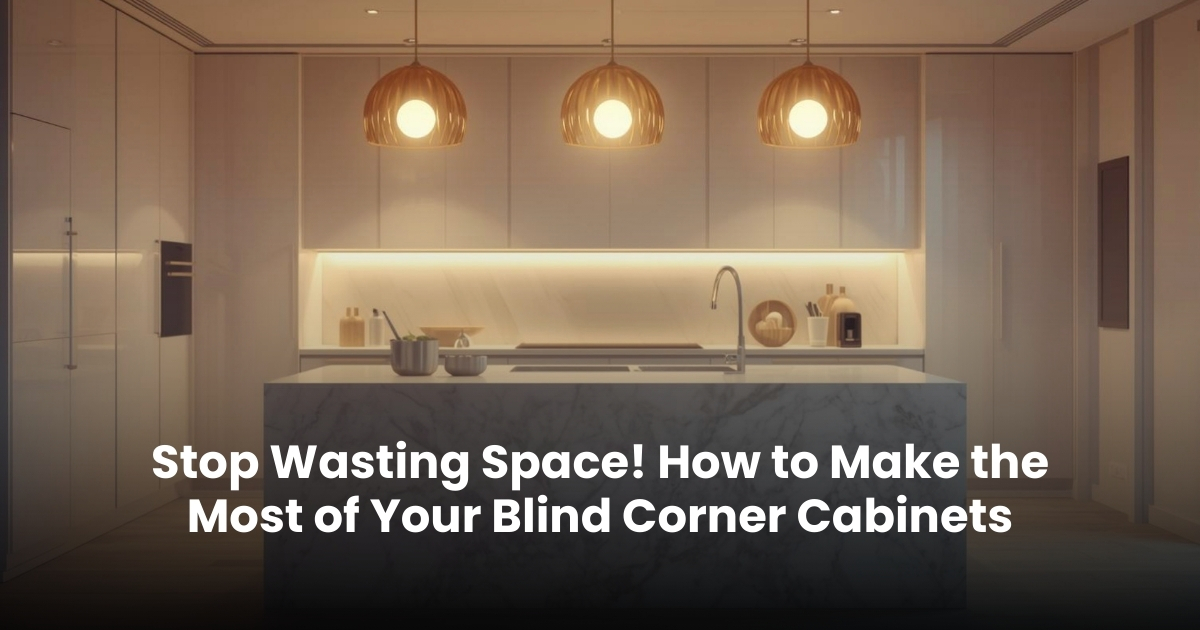
Stop Wasting Space! How to Make the Most of Your Blind Corner Cabinets If your blind corner cabinet has become that place where things disappear forever, you’re not the only one. These cabinets have potential, a lot of it, but only if you organize them the right way. Below are practical, real-life solutions that actually make a difference, not just pretty ideas that look good on Pinterest. Let’s make your corner cabinet finally work with you, not against you. Install a Pull-Out Corner System Pull-out systems are honestly one of the smartest upgrades you can make. They’re designed to eliminate the whole “bend, stretch, and pray you find it” experience. Instead of reaching a blind kitchen corner cabinet, the entire shelf smoothly glides out toward you, so you see everything at once. No guessing, no rummaging, no more lost containers. Most blind corner cabinet pull-out systems come with multiple tiers, giving you a structured space to store pots, pans, baking dishes, or even appliances like blenders and mixers. Besides the convenience, they simply make your kitchen feel more modern and efficient. Once you experience how easy it is to access things, you’ll wonder why you didn’t install one sooner. Add Lazy Susans for Effortless Reach There’s a reason Lazy Susans never go out of style. They’re simple, affordable, and genuinely effective, especially in tricky areas like blind corners. A quick spin gives you instant access, even to items that usually get pushed way into the back. You can choose from different styles based on the shape of your cabinet: Kidney-shaped trays that fit snugly around the cabinet edges Half-moon shelves that pull out and rotate Full-round rotating trays if your opening allows Lazy Susans are ideal for spices, sauces, snacks, and small containers that tend to get buried under larger items. Everything stays visible and reachable, without making the cabinet look cluttered. Use Tiered Wire Shelving to Reveal Vertical Space One of the biggest reasons blind kitchen corner base cabinets become a mess is that people only use the bottom surface and ignore all the vertical space above it. Tiered wire shelves solve this instantly. By adding layers, you can create separate levels for plates, baking ingredients, canned goods, or even small bowls. It keeps things neatly divided and stops everything from turning into one giant pile. Another benefit is airflow; wire shelves don’t trap moisture or dust, which helps keep your cabinet fresh and clean. And because they’re lightweight, you can easily adjust or remove them whenever you want to reorganize. Install Slide-Out Drawers for Seamless Access Slide-out drawers bring a whole new level of ease to blind corner spaces. You pull the drawer toward you, and the entire contents are right there, no bending or awkward reaching. It’s especially helpful for heavier items that are usually difficult to grab from deep types of corner cabinets. These drawers also encourage a more tidy layout. When everything has its own compartment, you’re less likely to just throw things inside randomly. They’re perfect for storing cookware sets, baking trays, Tupperware, or even small food containers. And if you choose soft-close slides, the whole setup feels smooth and satisfying to use. Store “Rarely Used” Items in the Deep Back Area No matter how organized your cabinet is, that deep back area will always be harder to reach. But that doesn’t mean it should stay empty or wasted. This is the ideal spot for items you don’t use every day, maybe only a few times a year. Think along these lines: Festive serving dishes Holiday baking pans Large bowls or trays Small kitchen appliances you bring out occasionally By placing these items in the back, you free up the prime front space for daily essentials. This small shift in placement can make your kitchen feel much more functional overall. Add LED Strip Lighting for Instant Visibility Wall blind corner cabinets are dark by default, and poor lighting is one of the biggest reasons they feel annoying to use. A simple strip of LED lights can make a dramatic difference. They’re easy to install, battery-powered, and bright enough to illuminate every inch of the cabinet. With proper lighting, you immediately see what’s inside, no more pulling everything out only to find the one bowl you needed was already in front. It’s a small upgrade that adds a lot of comfort and convenience to your daily routine. Use Clear Containers and Labels to Avoid the Black Hole Effect Clear containers turn your corner base cabinet into a mini-organized zone. You can instantly see what’s inside each bin without lifting lids or guessing. This simple step cuts down on clutter and helps you keep track of your food items, snacks, baking ingredients, or small gadgets. Labels take the organization a step further. They make things easier for everyone in the house, not just you, because when everything is clearly marked, no one has to ask, “Where does this go?” Plus, stacking containers of the same size helps maximize both horizontal and vertical space. You’ll be shocked by how much more you can store without the area looking messy. Make the Cabinet Doors Work With Door-Mounted Organizers That space behind your blind kitchen corner cabinet doors is valuable real estate. Using it wisely can instantly increase your storage capacity. Door-mounted organizers are perfect for those small items that constantly float around or get buried under bigger things. Depending on your needs, you can use this space for: Measuring cups and spoons Pot lids Cleaning sprays Foil, cling wrap, or parchment Small kitchen gadgets It keeps the tiny stuff under control and leaves the main cabinet area free for larger items. Plus, everything becomes easier to grab when you’re cooking or cleaning. Arrange Items Based on How Often You Use Them This is one of the simplest habits that completely changes how your cabinet functions. When you group things by frequency of use, your blind cabinet naturally becomes organized, without much effort. Here’s a quick system that
Effective Ways to Organize a Very Small Kitchen Without Losing Functionality
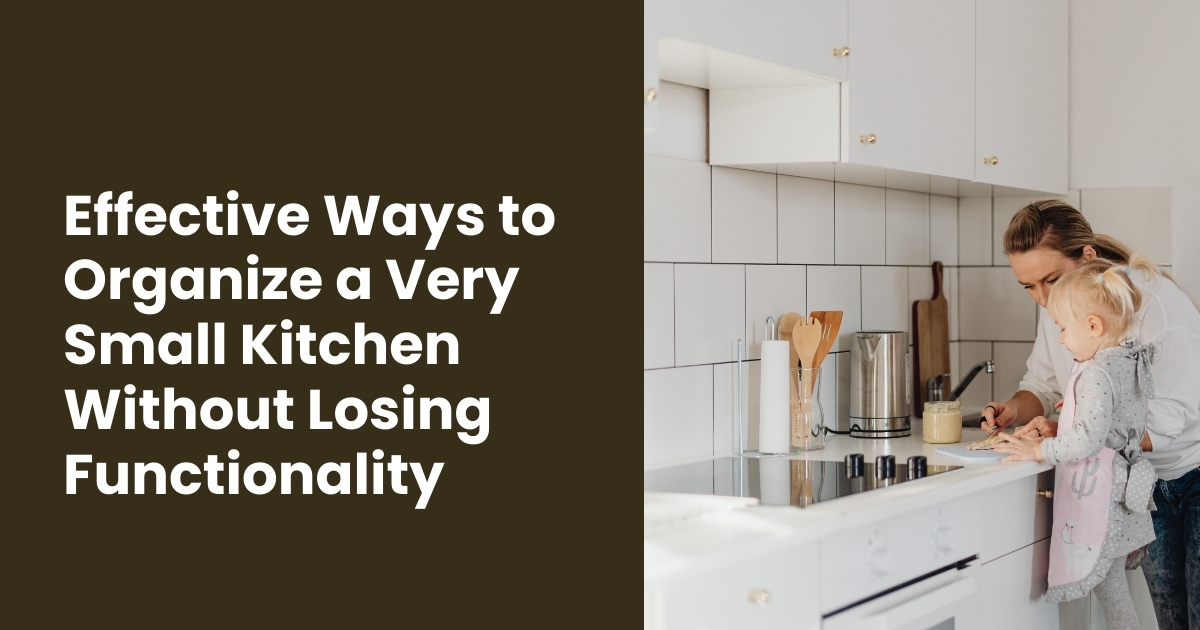
Effective Ways to Organize a Very Small Kitchen Without Losing Functionality Having a mini kitchen doesn’t mean you have to compromise on style or efficiency. In fact, with smart planning and the right storage solutions, even the smallest kitchens can feel spacious, organized, and enjoyable to cook in. The key is making thoughtful decisions about your small kitchen layout, choosing the right cabinet sizes, and implementing clever cabinet ideas for small kitchens. In this guide, we’ll walk you through practical tips to maximize every inch of your kitchen. Whether you’re looking to upgrade your wall cabinets, improve your countertop space, or make sense of a tricky layout, these strategies will help you create a mini kitchen that’s both functional and beautiful. Optimize Your Small Kitchen Layout The layout is the backbone of any kitchen, and it becomes even more critical in a mini kitchen. A well-thought-out small kitchen layout ensures you have enough counter space, storage, and room to move without feeling cramped. Galley kitchens: Perfect for narrow spaces, galley layouts have counters on both sides, making everything accessible without taking up much floor space. You can add clever cabinet ideas for small kitchens like pull-out spice racks or vertical storage units to maximize every inch. L-shaped kitchens: This layout works well in corner spaces, providing more counter space and storage while keeping the kitchen open and airy. Consider adding tall cabinets in one corner to store items you rarely use. Single-wall kitchens: Ideal for extremely small or studio spaces, this layout places everything along one wall. Use upper cabinets in small kitchens to maximize vertical storage, and consider open shelving to keep the area feeling open. The goal is simple: reduce unnecessary movement and make every part of the kitchen functional. Even a mini kitchen can feel organized and comfortable with the right small kitchen layout. Understand Standard Cabinet Sizes Knowing standard kitchen cabinet sizes is essential when planning a small kitchen. Using cabinets that are too big can make the space feel claustrophobic, while the wrong heights can reduce usability. Base cabinets: Typically 24 inches deep and 34.5 inches tall, these are the foundation for your counter space. In a mini kitchen, stick to these standard depths to avoid encroaching on walking areas. Wall cabinets: Usually 12 inches deep and 30 inches tall, they provide vertical storage. In small kitchens, stacking cabinets or using open shelving can increase accessibility and make the space feel larger. Countertops: The standard size of a kitchen counters is about 25–26 inches deep. Keeping counters at this depth ensures you have enough workspace while allowing movement and workflow in a tight kitchen. Choosing the right cabinet sizes prevents wasted space and makes every inch functional. Don’t forget: in a mini kitchen, every inch counts, so proper measurement and planning are critical. Smart Cabinets for Small Kitchens Cabinets in small kitchens aren’t just for storage, they can transform your kitchen into a more organized and efficient space. Here are some cabinet ideas for small kitchens that really make a difference: Pull-out shelves: Great for deep cabinets, pull-outs make accessing items in the back effortless. This is particularly useful in mini kitchens where space is limited. Corner cabinets with lazy Susans: Make awkward corners usable by installing rotating shelves to reach every item easily. Tall, slim cabinets: Take advantage of vertical space for storing dry goods, trays, or appliances that are not used daily. Open shelving: Keeps frequently used items within reach and prevents the kitchen from feeling cramped. Even if your kitchen is compact, smart cabinet design ensures your storage is maximized without overwhelming the space. Properly selected cabinet sizes combined with these ideas create a highly functional kitchen. Make Every Space Multi-Functional In a mini kitchen, you need to get creative with space. Surfaces can serve multiple purposes if you organize carefully: Countertop storage racks: Perfect for spices, utensils, or even small appliances. These keep frequently used items accessible without cluttering the counters. Hanging racks: Pots, pans, and mugs can be stored overhead, freeing up lower cabinet space. Cabinet door organizers: Great for storing cutting boards, lids, or smaller kitchen tools, keeping them out of sight but easy to grab. Using every space effectively transforms your small kitchen layout into a kitchen that feels bigger and is far easier to work in. Maximize Counter Space Counter space is one of the biggest challenges in a mini kitchen. With careful planning, your counters can stay clear and usable: Foldable or pull-out counters: Provide extra workspace only when needed, perfect for small kitchens with limited counters. Top of cabinets: Use this often-overlooked area to store items you rarely use but still want accessible. Keep appliances in check: Remember the standard size of a kitchen counters when placing items to avoid overcrowding. Maximizing counter functionality ensures you can cook, prep, and clean comfortably, even in a small space. Clever Storage and Organization Tricks Sometimes, it’s the little details that make the biggest impact on a small kitchen’s functionality. Even in a mini kitchen, these smart touches can transform cluttered cabinets into well-organized, efficient storage spaces: Drawer organizers: Perfect for keeping utensils, cutlery, and kitchen gadgets neatly separated. No more digging through messy drawers, everything has its place, making cooking faster and easier. Tiered shelving inside cabinets: Utilize vertical space to store more items without crowding your shelves. Stacked shelves allow you to organize plates, bowls, or pantry items efficiently while keeping them visible and accessible. Magnetic strips for knives: Free up valuable drawer space and keep knives right at your fingertips. This not only improves safety but also makes meal prep smoother and more convenient. Hooks inside cabinet doors: Ideal for hanging measuring cups, small kitchen tools, pot lids, or even dish towels. These hidden storage solutions maximize space and keep your counters and drawers clutter-free. By incorporating these small but powerful organization strategies, your mini kitchen will feel more spacious, functional, and enjoyable to cook in every day. These little details truly make a
What Is the Best Wood for Cabinet Making and Durable Kitchen Cabinets
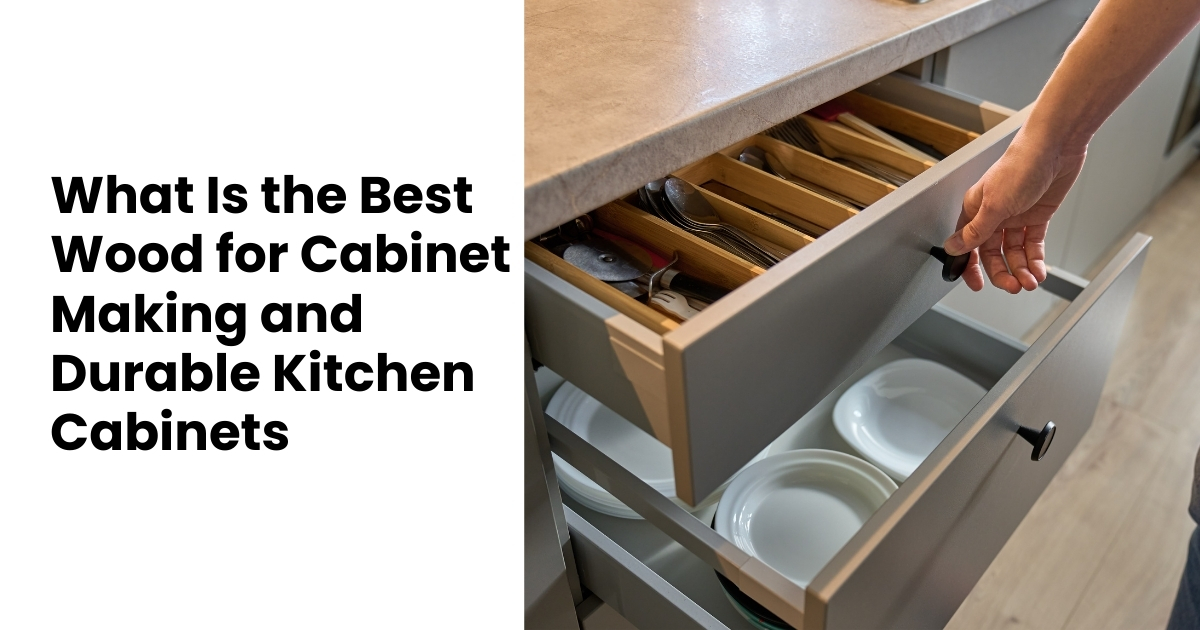
What Is the Best Wood for Cabinet Making and Durable Kitchen Cabinets When it comes to designing your kitchen or upgrading your storage, one of the most critical decisions is choosing the best wood for cabinet making. Your choice of wood not only affects the durability and longevity of your cabinets but also their appearance, functionality, and overall value. From builder-grade kitchen cabinets to high-end custom cabinets, the type of wood you use can make all the difference. Whether you are working with semi-custom home builders, exploring builders’ surplus kitchen & bath cabinets reviews, or trying to decide between custom cabinets vs stock cabinets, understanding your wood options is essential. This guide breaks down the best woods for cabinet making, their advantages, and what to consider for your home. Picking the Right Wood Makes a Difference Choosing the right wood for your kitchen cabinets affects more than just looks; it impacts durability, maintenance, and overall value. The type of wood determines how well your cabinets hold up over time, how they complement your kitchen style, and how much upkeep they require. Key factors to consider: Durability: Hardwoods like oak, maple, and cherry resist dents, scratches, and warping far better than softer woods. Aesthetics: Each wood has a distinct grain, color, and texture that can enhance modern, traditional, or rustic kitchen designs. Maintenance: Some woods need regular sealing or polishing to maintain their appearance, while others are naturally low-maintenance. Cost: Hardwood cabinets are an investment, generally costing more than softwood or engineered options, but they offer long-term value. Even when comparing custom cabinets vs. stock cabinets, selecting the right wood ensures your kitchen cabinets remain functional, beautiful, and durable for years to come. Top Woods for Cabinet Making Here are the most popular and reliable options for cabinet construction: 1. Oak Oak is a classic choice for kitchen cabinets and is considered one of the best woods for cabinet making. Its strong grain and durability make it ideal for high-traffic kitchens. Oak cabinets work well in both custom and builder-grade kitchen cabinets, offering a traditional yet timeless look. 2. Maple Maple is smooth, light-colored, and highly durable. It accepts paints and stains well, making it a popular option for semi-custom home builders. Maple cabinets are resistant to scratches and dents, perfect for families who use their kitchen frequently. 3. Cherry Cherry wood has a warm, reddish-brown color that deepens over time, making it a luxurious choice for custom cabinets vs stock cabinets. Though more expensive, cherry adds elegance and sophistication to any kitchen. 4. Hickory Hickory is a strong, rustic wood with a distinctive grain pattern. Its durability makes it suitable for wall cabinet construction, and its natural color variations add character. Hickory works well for homeowners seeking a country or farmhouse aesthetic. 5. Birch Birch is an affordable, smooth wood that is easy to work with and accepts paint beautifully. Many builders’ surplus kitchen & bath cabinets reviews highlight birch as a cost-effective yet high-quality option. 6. Walnut Walnut is a premium hardwood prized for its deep, rich color and smooth texture. It is often used in custom cabinets, adding elegance to kitchens and ensuring longevity. Walnut is durable, making it ideal for high-end cabinetry. 7. Pine Pine is soft and lightweight, making it easy to shape and work with. While it’s less durable than hardwoods, it is ideal for decorative wall cabinets or low-traffic areas. Pine is perfect for rustic or vintage-style kitchens. Custom Cabinets vs Stock Cabinets Understanding the difference between custom cabinets vs stock cabinets is crucial when selecting wood. Stock Cabinets: Pre-made and ready to install. They are cost-effective and typically use engineered woods or builder-grade kitchen cabinets. Limited in design options but great for budget-conscious projects. Custom Cabinets: Built to your specifications, allowing you to select premium woods like cherry, walnut, or maple. Perfect for homeowners seeking durability, personalization, and style flexibility. Tip: Even if you choose stock cabinets, selecting the right wood can enhance their longevity and appearance. Semi-Custom Home Builders and Wood Choices Many semi-custom home builders offer a blend of stock and custom options. They often use high-quality woods like maple, birch, or oak to provide durable cabinets while keeping costs reasonable. If you are building a new kitchen or remodeling, ask your builder about wood options and finishes to ensure you get the best value for your investment. Builder Grade Kitchen Cabinets Builder-grade kitchen cabinets are the most common choice in new construction. They usually feature: MDF or particleboard with a veneer finish Standard hardwoods like oak or birch for visible parts Cost-effective construction for mass-market homes While builder-grade kitchen cabinets may not offer the same longevity as custom cabinets, choosing high-quality wood and proper finishing techniques can significantly improve their durability. Wall Cabinets and Their Wood Requirements Wall cabinets support less weight than base cabinets but still require strong, stable wood. Hardwoods like maple, oak, and cherry are excellent choices for wall cabinets because they resist warping over time. Softwoods such as pine can be used for lighter storage areas but may require reinforcement for longevity. Tips From Builders Surplus Kitchen & Bath Cabinets Reviews Builder’s surplus kitchen & bath cabinets reviews consistently emphasize: The importance of choosing durable hardwoods for high-traffic kitchens Considering the wood’s finish and stain absorption for aesthetic longevity Combining affordability with durability for cost-effective remodeling By following these recommendations, you can make an informed decision on the best wood for cabinet making for your home. Choose Wisely for Long-Lasting Cabinets Selecting the best wood for cabinet making is more than an aesthetic decision. From custom cabinets vs stock cabinets to semi-custom home builders, the right wood ensures durability, beauty, and long-term value. Consider your budget, kitchen traffic, and design style. Hardwoods like oak, maple, cherry, and walnut are excellent for high-quality, lasting cabinets, while birch and pine are cost-effective for budget-conscious projects. And don’t forget about builder grade kitchen cabinets; even these can be enhanced with the right wood choice. Investing time in choosing
How to Protect Your Outdoor Storage Cabinet From the Elements
How to Protect Your Outdoor Storage Cabinet From the Elements Investing in a beautiful outdoor storage cabinet or wooden garden furniture adds style and functionality to your outdoor spaces. But nothing is more frustrating than seeing your investment fade, warp, or suffer damage from sun, rain, or humidity. Protecting wood outdoors isn’t just about aesthetics; it’s about safeguarding your investment so it lasts for years while remaining beautiful and functional. Many homeowners assume that simply placing furniture outside is enough. Unfortunately, wood exposed to the elements without proper care can crack, rot, or lose its charm quickly. This guide provides practical tips and expert advice to keep your outdoor cabinets and wood furniture safe, while also showing how choosing the right provider, like Bella Casa Cabinets, makes all the difference. Start With Durable, Weather-Resistant Materials Not all cabinets are built to survive outdoor conditions, so choosing the right construction from the start is your first layer of protection. Look for weatherproof outdoor storage cabinets designed to handle rain, moisture, UV rays, and seasonal temperature changes. These cabinets last longer and require far less maintenance over time. Prioritize Strong Build Quality and Stable Structure A well-structured cabinet holds up far better against wind, storms, and regular outdoor exposure. Opt for models with solid panels, reinforced joints, and stable depth that prevent warping, swelling, or bending. Stay away from thin or hollow materials, which break down quickly when exposed to moisture and heat. Choose Woods or Materials That Naturally Resist the Elements If you prefer a wooden outdoor cabinet, the material you choose makes a big difference. Teak, cedar, and redwood naturally resist moisture, insects, and decay, making them excellent choices for outdoor environments. Composite and resin cabinets are also great options because they don’t rot or rust. Even the best cabinets benefit from sealing, covering, or occasional maintenance. High-quality materials provide strength, but your added protection ensures they stay looking and performing their best year after year. Seal Your Wood With Outdoor Wood Sealer Using wood sealant for outdoor furniture or outdoor wood sealer is one of the most effective ways to protect your investment. Sealers form a protective layer, keeping water, moisture, and humidity from penetrating the wood. Benefits of Sealing: Protects wood outdoors from cracking, swelling, or warping caused by moisture Creates a waterproof seal wood barrier, preventing long-term damage Maintains the natural beauty, color, and texture of the wood Don’t wait until the wood shows signs of wear. Apply a sealer before the rainy season or harsh summer sun arrives. Early protection saves money and preserves your furniture’s longevity. Waterproofing Stained Wood Even if your furniture is already stained, waterproofing stained wood is essential. Stain alone cannot prevent moisture from seeping into the wood fibers, which could cause warping, cracking, or mold growth. How to Waterproof Stained Wood: Clean thoroughly: Remove dirt, dust, and old finishes. Apply a waterproof sealant wood solution evenly in thin layers, following the manufacturer’s instructions. Allow it to dry completely before using the cabinet or furniture. Reapply annually to maintain maximum protection. Proper waterproofing keeps wood strong, prevents rot and mold, and ensures your furniture maintains its appearance for years. Use Covers for Extra Protection Even well-sealed furniture benefits from an additional layer of defense. Using an outdoor garden table cover or a custom cabinet cover protects your wood from: Rain, snow, and UV damage Dust, debris, and leaves Fading and color loss Breathable covers also help maintain airflow, preventing trapped moisture that can cause mold and mildew. Choose covers with reinforced stitching and durable, weather-resistant fabric for long-lasting protection. A high-quality cover not only extends the lifespan of your furniture but also keeps it looking fresh, clean, and well-maintained throughout every season. Maintenance Tips for Longevity Regular care is crucial for keeping your outdoor cabinets and furniture in peak condition. Make it a habit to inspect each piece seasonally for cracks, peeling, or discoloration so you can address issues early. Reapply wood sealant for outdoor furniture whenever you notice that water no longer beads on the surface; this is a key sign that the protective barrier is weakening. Clean your cabinets with mild soap and water, avoiding harsh chemicals that can strip away sealant and damage the finish. Inspect seasonally for cracks, peeling, or discoloration Reapply wood sealant for outdoor furniture whenever water stops beading on the surface Clean with mild soap and water; avoid harsh chemicals that can damage the sealant A little care now prevents costly repairs later. Even the strongest, most weather-resistant wood needs consistent attention to stay durable and beautiful outdoors. Why Bella Casa Cabinets Are the Better Choice When it comes to protecting and investing in outdoor cabinets, not all manufacturers are equal. Bella Casa Cabinets stand out for several reasons: Custom Weatherproof Designs: Each cabinet is built to withstand extreme weather conditions while maintaining elegance and durability. Premium Materials: High-quality hardwoods and advanced finishes to ensure longevity. Expert Craftsmanship: Every cabinet is carefully constructed with attention to depth, panel strength, and functionality. Tailored Solutions: Whether you need extra storage for your backyard or a stylish cabinet for your garden, Bella Casa offers customized solutions that fit your space perfectly. Keeping Your Outdoor Cabinets Safe To protect your outdoor storage cabinet and wood furniture, apply a quality wood sealant and waterproofing solution, and use breathable covers like outdoor garden table covers. Regular maintenance and seasonal checks help prevent small issues from becoming major problems. Protect your investment today. Call Now or Book Now with Bella Casa Cabinets to get the perfect outdoor storage solution for your home. FAQs How can I prevent my outdoor storage cabinet from damage? Use a high-quality wood sealant and a breathable cover to protect your cabinet from rain, sun, and humidity, preventing cracking, warping, and fading. Do I need a cover for my outdoor cabinet? Yes. A breathable cover protects against rain, sun, and debris, extending the life of your wood. Does stained wood still need waterproofing? Yes. Stain alone won’t
What Is the Ideal Cabinet Depth? A Complete Guide to Standard Kitchen Cabinet Depth
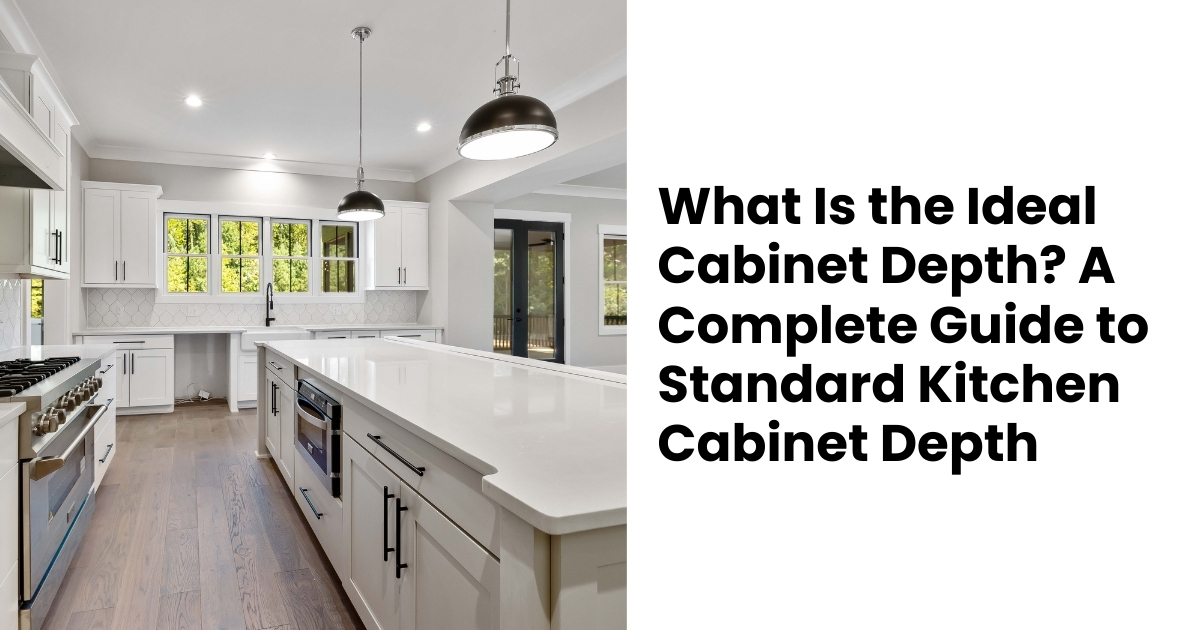
What Is the Ideal Cabinet Depth? A Complete Guide to Standard Kitchen Cabinet Depth When designing or upgrading a kitchen, one detail that quietly determines comfort, usability, and long-term functionality is average cabinet depth. Homeowners often spend hours choosing colors, finishes, and hardware, yet overlook the measurement that actually shapes how well the kitchen performs every day. Understanding the right standard cabinet depth, how it works with countertops, what depth suits different cabinet types, and how it affects your kitchen workflow is essential. Whether you’re planning a full remodel or simply replacing existing units, knowing the correct measurements ensures your kitchen not only looks beautiful but also works seamlessly for your lifestyle. Standard Kitchen Cabinet Depth: The Exact Numbers You Need The industry follows specific depth measurements because they consistently deliver comfort, functionality, and ergonomic flow. These standard depths aren’t random; they are the result of decades of design refinement and homeowner usage patterns. Here are the essential numbers: Base Cabinets (Standard Depth: 24 inches) Base cabinets are the workhorses of your kitchen. The standard 24-inch depth provides ample storage for plates, pots, and appliances while aligning perfectly with typical 25.5-inch countertops. This depth ensures you have enough workspace without stretching or leaning awkwardly. Wall Cabinets (Standard Depth: 12 inches) Upper cabinets shall stay shallower to keep the kitchen open and accessible. The 12-inch depth ensures you can easily reach items without worrying about hitting your head or blocking too much space around the cooktop. For modern kitchens, 15–18 inches may be used for additional storage, but only when space allows. Tall Cabinets or Pantry Units (Depth: 12–24 inches) Used for pantry storage or built-in appliances, tall cabinets vary slightly depending on your space and storage goals. These standard depths provide the ideal balance between space efficiency and comfort, but your lifestyle will ultimately determine which variations work best. How to Pick the Perfect Cabinet Depth for Your Kitchen Layout Choosing the ideal cabinet depth isn’t just about following standard measurements; it’s about selecting what truly works for your cooking style, storage habits, and overall kitchen layout. A family that cooks daily will need different depths than someone who uses the kitchen lightly. The right depth should support comfort, efficiency, and easy movement. Ask yourself: Do I need deeper cabinets for oversized appliances or cookware? If you routinely use air fryers, mixers, or stockpots, deeper cabinets may save counter space. Does my kitchen layout allow deeper or customized depths? In small kitchens, sticking to standard depths prevents the room from feeling boxed in. What storage habits do I already have? If you store items upright, wide drawers may suit you better; if you like everything visible at once, shallower shelves may work best. When cabinet depth aligns with real-life habits, your kitchen feels intuitive, not complicated. Why the 24-Inch Standard Works Best The 24-inch base cabinet depth has become the industry standard because it perfectly balances storage capacity, ergonomic access, and appliance compatibility. This depth ensures your countertop has enough reach for comfortable meal prep without forcing you to bend awkwardly. A deeper base cabinet might sound appealing, but it can make it harder to reach items stored in the back. That’s why designers often recommend adding pull-out racks, sliding trays, or deep drawers if you want the benefits of extra space without losing accessibility. Base cabinets also connect essential kitchen components, sinks, cooktops, and dishwashers, so sticking to the correct depth ensures proper installation and structural stability. Keeping Function and Comfort in Balance Unlike base cabinets, wall cabinets sit at eye level, which means depth becomes even more important. The standard 12-inch depth keeps these cabinets from overpowering your space or blocking your line of sight while cooking. Wall cabinets are also the first thing you see when entering a kitchen, so the right depth keeps the visual flow clean. If you want a modern, streamlined look with more storage, you can choose a 15–18-inch depth, but this should be balanced carefully to avoid best wood for cabinet making the space feel top-heavy. Proper depth makes your kitchen safer, more open, and easier to navigate. Why Cabinet Depth Matters More Than Most People Realize Average cabinet depth is not just a number on a measurement sheet; it directly influences how comfortable your kitchen feels. The right depth helps you reach your dishes without stretching, ensures appliances fit properly, and keeps the workspace open instead of cramped. It’s one of the foundational measurements that shapes how you cook, clean, and move every day. A thoughtful cabinet depth contributes to: Better organization: When cabinets offer the right amount of space, everything has a place, no more stacking pots inside each other or squeezing dishes into tight shelves. Improved workflow: You can glide between prep areas, appliances, and storage without bumping into protruding cabinets or stubbing your hand while reaching inside. A balanced visual layout: Cabinets with appropriate depth create clean, aligned lines that make your kitchen look professionally designed. Simply put, the right depth means your kitchen supports your daily routine instead of interrupting it. Measuring Cabinet Depth Accurate measurements prevent expensive mistakes. Whether you’re upgrading one cabinet or installing an entire kitchen, consider: Countertop overhang: Most countertops add 1.5 inches to the total depth. Appliance clearance: Ensure dishes, fridge doors, and oven handles have enough room. Walkway spacing: At least 36–42 inches between counters keeps the space comfortable. Existing cabinet alignment: If only replacing a few cabinets, match the existing depth to maintain consistency. Taking 10 minutes to measure correctly can save hours of adjustment later. Tips to Maximize Cabinet Depth for Better Storage Once you’ve chosen your ideal depth, use it efficiently. Small improvements can transform ordinary cabinets into high-functioning storage solutions: Use pull-out organizers to reach items in deep cabinets. Add vertical dividers for trays, lids, and cutting boards. Install lazy Susans in corner base cabinets. Use shallow uppers for daily-use items and deeper ones for specialty items. A smart organization ensures every inch of cabinet depth
How to Find the Ideal Height and Placement for Kitchen Floating Shelves
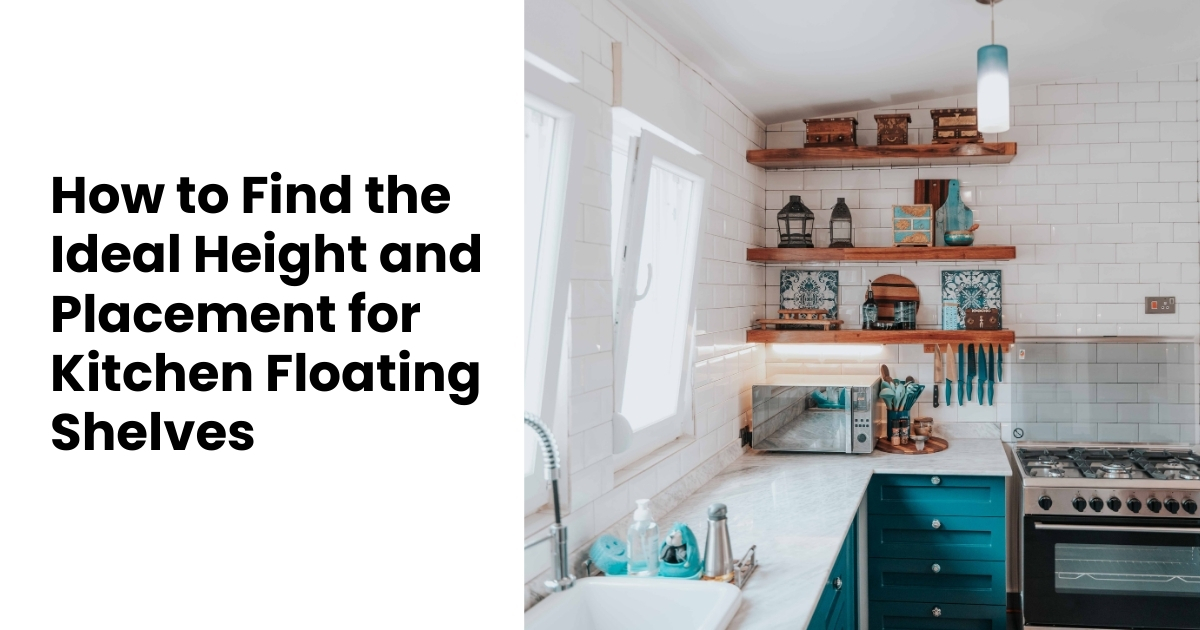
How to Find the Ideal Height and Placement for Kitchen Floating Shelves Kitchen floating shelves have become a staple in modern and transitional kitchen design, not just for their beauty, but for the flexibility they offer. Whether you’re displaying everyday dishes, adding décor, or opening up space previously taken by traditional shaker door styles and closed cabinetry, the placement of your shelves plays a major role in both function and aesthetics. Homeowners adore the clean, airy feel that floating shelves create, and designers appreciate how well they complement various styles of cabinet doors, especially when paired with high-quality, American-made kitchen cabinets. In this guide, you’ll learn exactly how to find the ideal height and placement for kitchen floating shelves so they enhance your workflow and elevate your kitchen’s overall design. From floating shelves above the sink to practical floating dish shelves and stylish painted floating shelves, we’ll cover the recommended measurements, spacing guidelines, and layout strategies that help you achieve a balanced, durable, and visually cohesive setup. Why Shelf Height Matters Floating shelves aren’t just decorative; they’re practical storage. If the height isn’t right, you risk: Knocking items off shelves while working Stacking items too tightly Losing the open, airy look that makes floating shelves so appealing Many homeowners struggle to balance function and aesthetics. By planning the proper height, you’ll create shelves that are easy to reach, enhance your kitchen’s design, and keep everyday items within arm’s reach. Standard Heights for Kitchen Floating Shelves While each kitchen is unique, these measurements are widely recommended: Above Countertops: Shelves should be 18 to 24 inches above the countertop. This height keeps frequently used items easily accessible without interfering with your prep space. Above the Sink: If you’re installing floating shelves above the sink, allow for 24 to 30 inches above the sink rim to provide clearance for faucets and cleaning. Between Stacked Shelves: Maintain 10 to 12 inches of vertical space between shelves. This accommodates plates, pitchers, and decorative items without making the shelves feel cramped. These guidelines are suitable for most kitchens, whether you use shelves for storage, display, or a combination of both. Factors to Consider Before Installing Floating Shelves 1. Purpose of the Shelf Before installing, think about what you’ll store: Decorative items: Can be slightly higher or placed asymmetrically for visual interest. Everyday kitchen items: Keep them at arm’s reach for convenience. The shelf’s purpose often determines the ideal height more than strict measurements. 2. Countertop and Cabinet Height Standard countertops are 36 inches tall, and the distance from the counter to the bottom of your upper cabinets is usually 18 inches. If you’re placing shelves in between or above cabinets, keep these dimensions in mind to maintain balance and usability. 3. Ceiling Height In kitchens with high ceilings, floating shelves can go higher, creating vertical interest. But if your ceilings are lower, keeping shelves within easy reach ensures functionality. 4. Shelf Depth Most kitchen floating shelves are 8 to 12 inches deep. Deeper shelves hold more items but may take up counter space visually. Narrower shelves are ideal for displaying dishes or small jars while keeping the kitchen airy. 5. Material and Finish Painted floating shelves: Durable finishes resist spills and splashes. Wood shelves with protective coating are ideal for everyday use Matching or contrasting finishes can either blend with your cabinetry or add a decorative accent. Tips for Floating Dish Shelves Floating dish shelves are particularly useful in kitchens where cabinet space is limited. Here’s how to maximize their function: Keep frequently used plates, bowls, and mugs within easy reach. Consider adding hooks beneath shelves to hang cups or small tools. Organize items in baskets or containers for a neat, cohesive appearance. With proper spacing and placement, floating dish shelves can make your kitchen feel open while keeping essential items easily accessible. Floating Shelves Above the Sink Installing floating shelves above the sink adds storage without sacrificing light or counter space. Here’s what to keep in mind: Allow at least 24 inches of clearance above the sink rim. Choose moisture-resistant materials or finishes to withstand splashes. Use these shelves for lightweight items like glasses, mugs, or decorative jars rather than heavy appliances. This placement keeps items handy while maintaining a clean, uncluttered look. How to Measure and Plan Shelf Placement Mark Your Desired Height: Use painter’s tape to mark the bottom edge of your shelves. Step back and visualize how it looks with your cabinets and countertops. Check Clearance: Make sure you can reach items comfortably and that the shelf doesn’t interfere with appliances, lighting, or faucet handles. Space Between Shelves: If stacking multiple shelves, keep 10–12 inches of vertical space for accessibility. Level and Secure: Use a level and proper wall anchors to ensure shelves are straight and can support the weight of your items. Styling Tips Mix painted floating shelves with your cabinetry color for cohesion. Use kitchen floating shelves for both storage and display—stack dishes neatly, add a few decorative items, or showcase cookbooks. Balance practicality and aesthetics: heavier, everyday items should go on lower shelves; decorative pieces can occupy higher spots. Proper styling ensures shelves enhance your kitchen rather than creating clutter. Conclusion Determining the right height for kitchen floating shelves is key to creating a functional, organized, and visually appealing kitchen. Whether installing floating shelves above the sink, using floating dish shelves, or adding painted floating shelves for style, careful planning ensures items are within reach, and the space feels open. With proper measurement, spacing, and thoughtful placement, floating shelves can transform your kitchen into a space that’s both beautiful and practical for everyday life. FAQs How high should floating shelves be above a countertop? Most kitchen floating shelves are ideally 18 to 24 inches above the countertop for easy reach. Can floating shelves go above the sink? Yes! Floating shelves above the sink should be 24 to 30 inches above the sink rim to allow clearance for faucets and cleaning. How much space should I leave between
What Is a Popular Kitchen Cabinet Design? Framed or Frameless Cabinets Explained
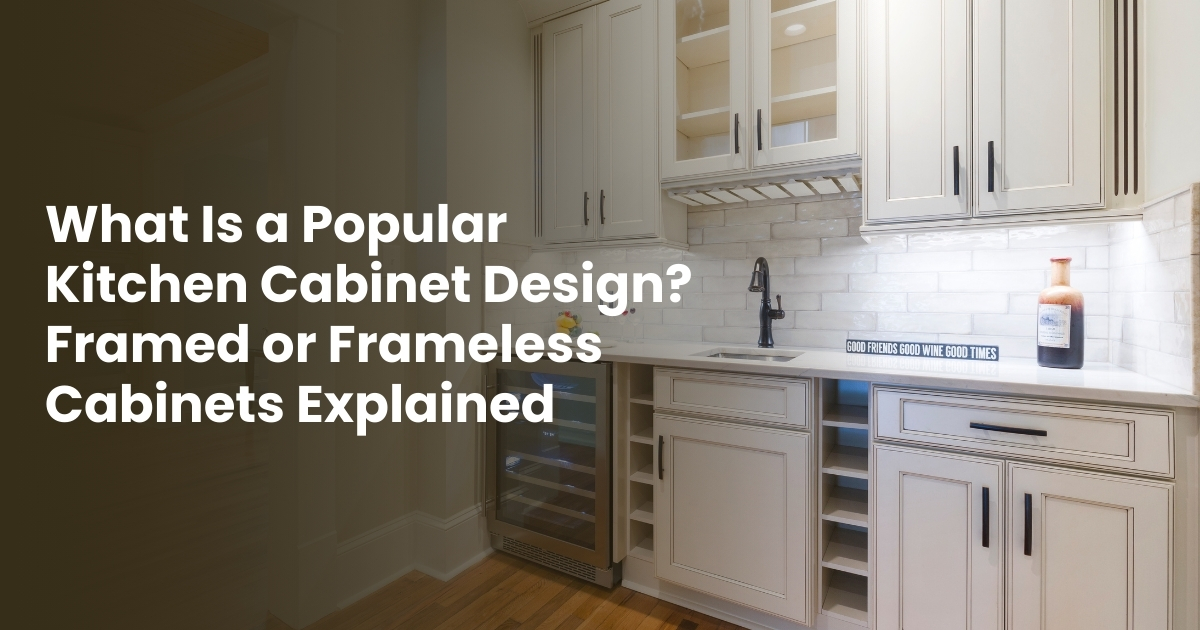
What Is a Popular Kitchen Cabinet Design? Framed or Frameless Cabinets Explained Sometimes, your kitchen cabinets can feel like a puzzle you can’t solve. Pots stacked awkwardly, lids scattered everywhere, and appliances buried so deep you forget you even own them. That’s when you start questioning, would framed or frameless cabinets actually make a difference? Choosing the right design isn’t just about looks; it’s about creating a space that finally feels organized, functional, and effortless to use. Wrong style can make even a beautiful kitchen feel cluttered and inefficient. Knowing the differences and trends helps you create a space that’s not only visually appealing but also practical for daily use. Framed and Frameless Cabinets Framed Cabinets Framed cabinets feature a visible frame around the front edges of the cabinet box. The doors attach to this frame, giving a structured, traditional look. Why do people choose framed cabinets? Provides strong structural support Offers a classic, timeless appearance Works beautifully with detailed finishes and shelves between cabinets for extra display or storage Considerations: The frame slightly reduces interior space, so if you need maximum storage, it may not be ideal for smaller kitchens. Frameless Cabinets Frameless cabinets, sometimes called European style, have no front frame. Doors attach directly to the sides of the cabinet box, giving a sleek, modern look. Why do people choose frameless cabinets? Maximizes interior space Allows wider drawers and pull-out storage Offers a clean, minimalist aesthetic Considerations: Frameless cabinets require precise installation, and the material needs to be strong to ensure durability. Both options are widely used today, depending on your kitchen style, whether you prefer traditional or modern, and your storage requirements. Popular Trends in Framed and Frameless Kitchen Cabinets Kitchen cabinet design continues to evolve, blending functionality with style. Whether you choose framed or frameless cabinets, certain trends are dominating modern kitchens: Built-In Cabinets Built-in cabinets work beautifully with both framed and frameless designs. They integrate seamlessly into the kitchen layout, accommodating appliances like ovens or refrigerators while maintaining a cohesive, polished look. These cabinets help keep the kitchen organized and clutter-free, regardless of the cabinet style. Custom Cabinets from Expert Makers Collaborating with custom kitchen cabinet makers allows you to tailor storage solutions to your space. From pull-out drawers and soft-close doors to specialized compartments, both framed and frameless cabinets can be customized for maximum functionality and visual appeal. Open Shelves Between Cabinets Adding shelves between cabinets is a versatile trend that works well with either framed or frameless styles. Open shelves provide accessible storage for everyday items and create visual interest by breaking up the uniformity of solid upper cabinets. Materials like wood, glass, or metal can complement your chosen cabinet style. Minimalist and Handleless Designs Frameless cabinets often feature handleless doors, creating a sleek, modern aesthetic. Combined with soft-close mechanisms and hidden storage, this trend emphasizes clean lines and seamless functionality, perfect for contemporary kitchens seeking a minimalist look. Two-Tone Cabinetry Mixing finishes remains a popular trend for both framed and frameless cabinets. Pairing light upper cabinets with darker lower units adds depth and dimension, while allowing homeowners to experiment with textures, colors, and materials. Boosting Storage Efficiency A popular cabinet design isn’t just about aesthetics; it’s about how efficiently you can store and access items: Corners: Use blind corner lazy Susan cabinets to maximize tricky spaces. Vertical space: Elevated cabinets can store seasonal items or appliances you don’t use daily. Pull-out drawers and shelves: Make pots, pans, and pantry items easily accessible. Integrated organizers: Dividers, vertical racks, and utensil compartments prevent clutter. These solutions work equally well with both framed and frameless cabinets, ensuring that your kitchen is organized and practical without compromising style. Shelving and Display Options Adding shelves between cabinets provides both functional and decorative benefits. You can display dishes, mugs, or decorative pieces while keeping essential items easily accessible. This trend works in tandem with both modern frameless cabinets and classic framed designs, giving your kitchen a versatile and personalized feel. Working With Cabinet Makers Collaborating with skilled custom kitchen cabinet makers ensures your design works for your lifestyle. Here’s what to consider: Layout and Storage Needs: Identify which items you use daily and which can be stored higher or deeper. Material Selection: Plywood or MDF, depending on durability and budget. Framed vs. Frameless: Choose the style that complements your kitchen aesthetics. Functional Additions: Pull-out shelves, lazy Susans, and dividers enhance usability. Consistency: Ensure finishes, colors, and materials match the kitchen’s overall design. Professional cabinet makers help you strike the perfect balance between function, durability, and style. Why Choose Bella Casa Cabinets At Bella Casa Cabinets, we specialize in custom kitchen cabinets and built-in solutions designed to make your kitchen both beautiful and functional. What we offer: Expertise in framed and frameless cabinets Durable materials like plywood for cabinet building Custom designs tailored to your kitchen layout and style Innovative storage solutions like shelves between cabinets, pull-outs, and dividers Partnering with Bella Casa ensures your cabinets are practical, long-lasting, and visually stunning, whether you prefer a modern or traditional kitchen. Conclusion Choosing the right kitchen cabinet design is crucial for a functional, organized, and stylish kitchen. Whether you select framed or frameless cabinets, add built-in cabinets, or include shelves between cabinets, thoughtful design transforms your kitchen from cluttered to efficient. Take the next step: Contact Bella Casa Cabinets today to explore custom cabinet solutions, expert craftsmanship, and storage designs that will make your kitchen organized, functional, and beautiful for years to come. FAQs Which is better for small kitchens: framed or frameless cabinets? Frameless cabinets are often better for small kitchens because they maximize interior space and allow for wider drawers and pull-outs. Can built-in cabinets be customized for storage needs? Yes, built-in kitchen cabinets can be tailored to fit appliances, cookware, and pantry items, making them a practical and efficient solution. Why add shelves between cabinets? Shelves between cabinets provide quick access to daily-use items, add visual interest, and can double as decorative display space