//

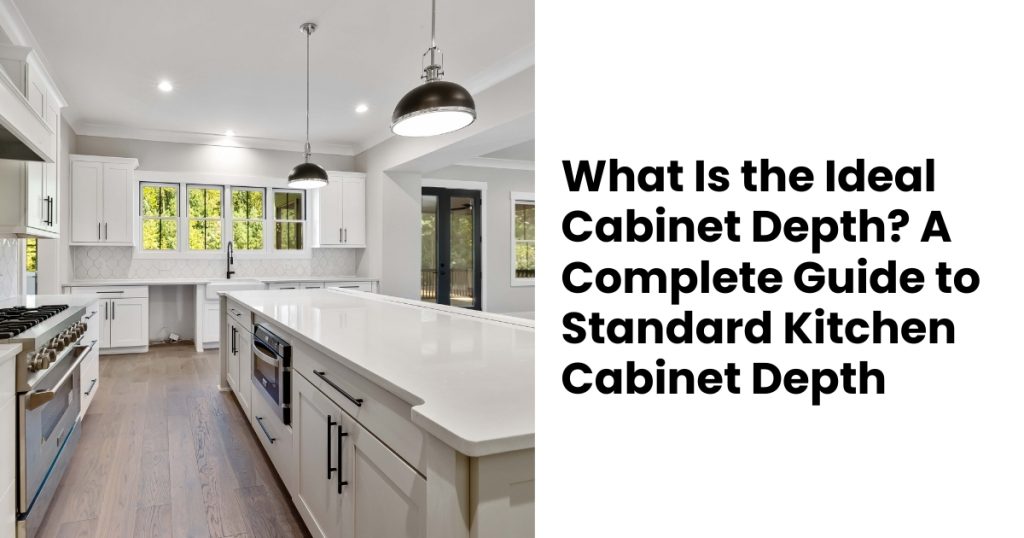
What Is the Ideal Cabinet Depth? A Complete Guide to Standard Kitchen Cabinet Depth

When designing or upgrading a kitchen, one detail that quietly determines comfort, usability, and long-term functionality is average cabinet depth. Homeowners often spend hours choosing colors, finishes, and hardware, yet overlook the measurement that actually shapes how well the kitchen performs every day. Understanding the right standard cabinet depth, how it works with countertops, what depth suits different cabinet types, and how it affects your kitchen workflow is essential. Whether you’re planning a full remodel or simply replacing existing units, knowing the correct measurements ensures your kitchen not only looks beautiful but also works seamlessly for your lifestyle.

Standard Kitchen Cabinet Depth: The Exact Numbers You Need

The industry follows specific depth measurements because they consistently deliver comfort, functionality, and ergonomic flow. These standard depths aren’t random; they are the result of decades of design refinement and homeowner usage patterns. Here are the essential numbers:

Base Cabinets (Standard Depth: 24 inches)

Base cabinets are the workhorses of your kitchen. The standard 24-inch depth provides ample storage for plates, pots, and appliances while aligning perfectly with typical 25.5-inch countertops. This depth ensures you have enough workspace without stretching or leaning awkwardly.

Wall Cabinets (Standard Depth: 12 inches)

Upper cabinets shall stay shallower to keep the kitchen open and accessible. The 12-inch depth ensures you can easily reach items without worrying about hitting your head or blocking too much space around the cooktop. For modern kitchens, 15–18 inches may be used for additional storage, but only when space allows.

Tall Cabinets or Pantry Units (Depth: 12–24 inches)

Used for pantry storage or built-in appliances, tall cabinets vary slightly depending on your space and storage goals. These standard depths provide the ideal balance between space efficiency and comfort, but your lifestyle will ultimately determine which variations work best.

How to Pick the Perfect Cabinet Depth for Your Kitchen Layout

Choosing the ideal cabinet depth isn’t just about following standard measurements; it’s about selecting what truly works for your cooking style, storage habits, and overall kitchen layout. A family that cooks daily will need different depths than someone who uses the kitchen lightly. The right depth should support comfort, efficiency, and easy movement.

Ask yourself:

  • Do I need deeper cabinets for oversized appliances or cookware? If you routinely use air fryers, mixers, or stockpots, deeper cabinets may save counter space.
  • Does my kitchen layout allow deeper or customized depths? In small kitchens, sticking to standard depths prevents the room from feeling boxed in.
  • What storage habits do I already have? If you store items upright, wide drawers may suit you better; if you like everything visible at once, shallower shelves may work best.
When cabinet depth aligns with real-life habits, your kitchen feels intuitive, not complicated.

Why the 24-Inch Standard Works Best

The 24-inch base cabinet depth has become the industry standard because it perfectly balances storage capacity, ergonomic access, and appliance compatibility. This depth ensures your countertop has enough reach for comfortable meal prep without forcing you to bend awkwardly. A deeper base cabinet might sound appealing, but it can make it harder to reach items stored in the back. That’s why designers often recommend adding pull-out racks, sliding trays, or deep drawers if you want the benefits of extra space without losing accessibility. Base cabinets also connect essential kitchen components, sinks, cooktops, and dishwashers, so sticking to the correct depth ensures proper installation and structural stability.

Keeping Function and Comfort in Balance

Unlike base cabinets, wall cabinets sit at eye level, which means depth becomes even more important. The standard 12-inch depth keeps these cabinets from overpowering your space or blocking your line of sight while cooking. Wall cabinets are also the first thing you see when entering a kitchen, so the right depth keeps the visual flow clean. If you want a modern, streamlined look with more storage, you can choose a 15–18-inch depth, but this should be balanced carefully to avoid best wood for cabinet making the space feel top-heavy. Proper depth makes your kitchen safer, more open, and easier to navigate.

Why Cabinet Depth Matters More Than Most People Realize

Average cabinet depth is not just a number on a measurement sheet; it directly influences how comfortable your kitchen feels. The right depth helps you reach your dishes without stretching, ensures appliances fit properly, and keeps the workspace open instead of cramped. It’s one of the foundational measurements that shapes how you cook, clean, and move every day.

A thoughtful cabinet depth contributes to:

  • Better organization: When cabinets offer the right amount of space, everything has a place, no more stacking pots inside each other or squeezing dishes into tight shelves.
  • Improved workflow: You can glide between prep areas, appliances, and storage without bumping into protruding cabinets or stubbing your hand while reaching inside.
  • A balanced visual layout: Cabinets with appropriate depth create clean, aligned lines that make your kitchen look professionally designed.
Simply put, the right depth means your kitchen supports your daily routine instead of interrupting it.

Measuring Cabinet Depth

Accurate measurements prevent expensive mistakes. Whether you’re upgrading one cabinet or installing an entire kitchen, consider:
  1. Countertop overhang: Most countertops add 1.5 inches to the total depth.
  2. Appliance clearance: Ensure dishes, fridge doors, and oven handles have enough room.
  3. Walkway spacing: At least 36–42 inches between counters keeps the space comfortable.
  4. Existing cabinet alignment: If only replacing a few cabinets, match the existing depth to maintain consistency.
Taking 10 minutes to measure correctly can save hours of adjustment later.

Tips to Maximize Cabinet Depth for Better Storage

Once you’ve chosen your ideal depth, use it efficiently. Small improvements can transform ordinary cabinets into high-functioning storage solutions:
  • Use pull-out organizers to reach items in deep cabinets.
  • Add vertical dividers for trays, lids, and cutting boards.
  • Install lazy Susans in corner base cabinets.
  • Use shallow uppers for daily-use items and deeper ones for specialty items.
A smart organization ensures every inch of cabinet depth is used effectively.

Why We’re Different

Choosing cabinets isn’t just about depth; it’s about quality, durability, and thoughtful design. That’s where we excel. Bella Casa Cabinets are built with precise measurements, premium materials, and finishes designed to withstand real-life kitchen use. Here’s what sets us apart:
  • Precision Craftsmanship: Every cabinet is engineered to fit perfectly, with no guesswork, no gaps.
  • Durable Materials: We use premium woods, moisture-resistant finishes, and reinforced structures. True Custom Options: If you need specific depths, base cabinet sizes, storage, or unique layouts, we create exactly what your kitchen demands.
  • Effortless Installation: Our cabinets arrive ready to fit seamlessly into your space, minimizing installation time and maximizing reliability.
We don’t just provide cabinets, we deliver comfort, practicality, and long-term value for your home.

Choose the Right Cabinet Depth for a Kitchen That Truly Works

Selecting the ideal cabinet depth is one of the smartest choices you can make when planning or upgrading your kitchen. From the standard 24-inch base cabinet depth to the 12-inch wall cabinet depth, these measurements are designed to ensure comfort, efficiency, and smooth workflow.  Suppose you’re ready to build a kitchen that perfectly suits your lifestyle. In that case, Bella Casa Cabinet is here to help you get every detail right, from cabinet depth to design, finish, and installation. Your dream kitchen starts with the right foundation, and we’re here to bring it to life.

FAQs

What is the standard kitchen cabinet depth?

The standard depth for base cabinets is 24 inches, while wall cabinets typically measure 12 inches deep.

Can I customize my cabinet depth?

Yes. Many manufacturers offer custom depths to fit appliances, small kitchens, or specific storage needs

Why does cabinet depth matter in kitchen design?

Correct cabinet depth improves storage, appliance fit, workflow, and overall comfort, ensuring your kitchen functions smoothly.