
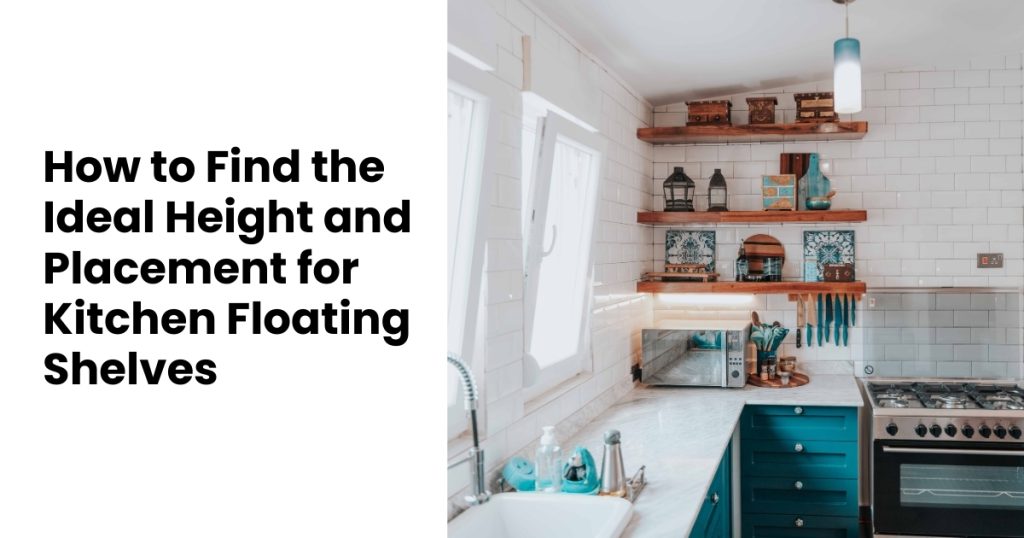
Kitchen floating shelves have become a staple in modern and transitional kitchen design, not just for their beauty, but for the flexibility they offer. Whether you’re displaying everyday dishes, adding décor, or opening up space previously taken by traditional shaker door styles and closed cabinetry, the placement of your shelves plays a major role in both function and aesthetics. Homeowners adore the clean, airy feel that floating shelves create, and designers appreciate how well they complement various styles of cabinet doors, especially when paired with high-quality, American-made kitchen cabinets.
In this guide, you’ll learn exactly how to find the ideal height and placement for kitchen floating shelves so they enhance your workflow and elevate your kitchen’s overall design. From floating shelves above the sink to practical floating dish shelves and stylish painted floating shelves, we’ll cover the recommended measurements, spacing guidelines, and layout strategies that help you achieve a balanced, durable, and visually cohesive setup.
Why Shelf Height Matters
Floating shelves aren’t just decorative; they’re practical storage. If the height isn’t right, you risk:
- Knocking items off shelves while working
- Stacking items too tightly
- Losing the open, airy look that makes floating shelves so appealing
Many homeowners struggle to balance function and aesthetics. By planning the proper height, you’ll create shelves that are easy to reach, enhance your kitchen’s design, and keep everyday items within arm’s reach.
Standard Heights for Kitchen Floating Shelves
While each kitchen is unique, these measurements are widely recommended:
- Above Countertops: Shelves should be 18 to 24 inches above the countertop. This height keeps frequently used items easily accessible without interfering with your prep space.
- Above the Sink: If you’re installing floating shelves above the sink, allow for 24 to 30 inches above the sink rim to provide clearance for faucets and cleaning.
- Between Stacked Shelves: Maintain 10 to 12 inches of vertical space between shelves. This accommodates plates, pitchers, and decorative items without making the shelves feel cramped.
These guidelines are suitable for most kitchens, whether you use shelves for storage, display, or a combination of both.
Factors to Consider Before Installing Floating Shelves
1. Purpose of the Shelf
Before installing, think about what you’ll store:
- Decorative items: Can be slightly higher or placed asymmetrically for visual interest.
- Everyday kitchen items: Keep them at arm’s reach for convenience.
The shelf’s purpose often determines the ideal height more than strict measurements.
2. Countertop and Cabinet Height
Standard countertops are 36 inches tall, and the distance from the counter to the bottom of your upper cabinets is usually 18 inches. If you’re placing shelves in between or above cabinets, keep these dimensions in mind to maintain balance and usability.
3. Ceiling Height
In kitchens with high ceilings, floating shelves can go higher, creating vertical interest. But if your ceilings are lower, keeping shelves within easy reach ensures functionality.
4. Shelf Depth
Most kitchen floating shelves are 8 to 12 inches deep. Deeper shelves hold more items but may take up counter space visually. Narrower shelves are ideal for displaying dishes or small jars while keeping the kitchen airy.
5. Material and Finish
- Painted floating shelves: Durable finishes resist spills and splashes.
- Wood shelves with protective coating are ideal for everyday use
- Matching or contrasting finishes can either blend with your cabinetry or add a decorative accent.
Tips for Floating Dish Shelves
Floating dish shelves are particularly useful in kitchens where cabinet space is limited. Here’s how to maximize their function:
- Keep frequently used plates, bowls, and mugs within easy reach.
- Consider adding hooks beneath shelves to hang cups or small tools.
- Organize items in baskets or containers for a neat, cohesive appearance.
With proper spacing and placement, floating dish shelves can make your kitchen feel open while keeping essential items easily accessible.
Floating Shelves Above the Sink
Installing floating shelves above the sink adds storage without sacrificing light or counter space. Here’s what to keep in mind:
- Allow at least 24 inches of clearance above the sink rim.
- Choose moisture-resistant materials or finishes to withstand splashes.
- Use these shelves for lightweight items like glasses, mugs, or decorative jars rather than heavy appliances.
This placement keeps items handy while maintaining a clean, uncluttered look.
How to Measure and Plan Shelf Placement
- Mark Your Desired Height: Use painter’s tape to mark the bottom edge of your shelves. Step back and visualize how it looks with your cabinets and countertops.
- Check Clearance: Make sure you can reach items comfortably and that the shelf doesn’t interfere with appliances, lighting, or faucet handles.
- Space Between Shelves: If stacking multiple shelves, keep 10–12 inches of vertical space for accessibility.
- Level and Secure: Use a level and proper wall anchors to ensure shelves are straight and can support the weight of your items.
Styling Tips
- Mix painted floating shelves with your cabinetry color for cohesion.
- Use kitchen floating shelves for both storage and display—stack dishes neatly, add a few decorative items, or showcase cookbooks.
- Balance practicality and aesthetics: heavier, everyday items should go on lower shelves; decorative pieces can occupy higher spots.
Proper styling ensures shelves enhance your kitchen rather than creating clutter.
Conclusion
Determining the right height for kitchen floating shelves is key to creating a functional, organized, and visually appealing kitchen. Whether installing floating shelves above the sink, using floating dish shelves, or adding painted floating shelves for style, careful planning ensures items are within reach, and the space feels open.
With proper measurement, spacing, and thoughtful placement, floating shelves can transform your kitchen into a space that’s both beautiful and practical for everyday life.
FAQs
How high should floating shelves be above a countertop?
Most kitchen floating shelves are ideally 18 to 24 inches above the countertop for easy reach.
Can floating shelves go above the sink?
Yes! Floating shelves above the sink should be 24 to 30 inches above the sink rim to allow clearance for faucets and cleaning.
How much space should I leave between stacked floating shelves?
Maintain 10 to 12 inches of space between shelves, which accommodates plates, pitchers, and small appliances comfortably.